Best all-rounder for big or hilly lawnsBuy now
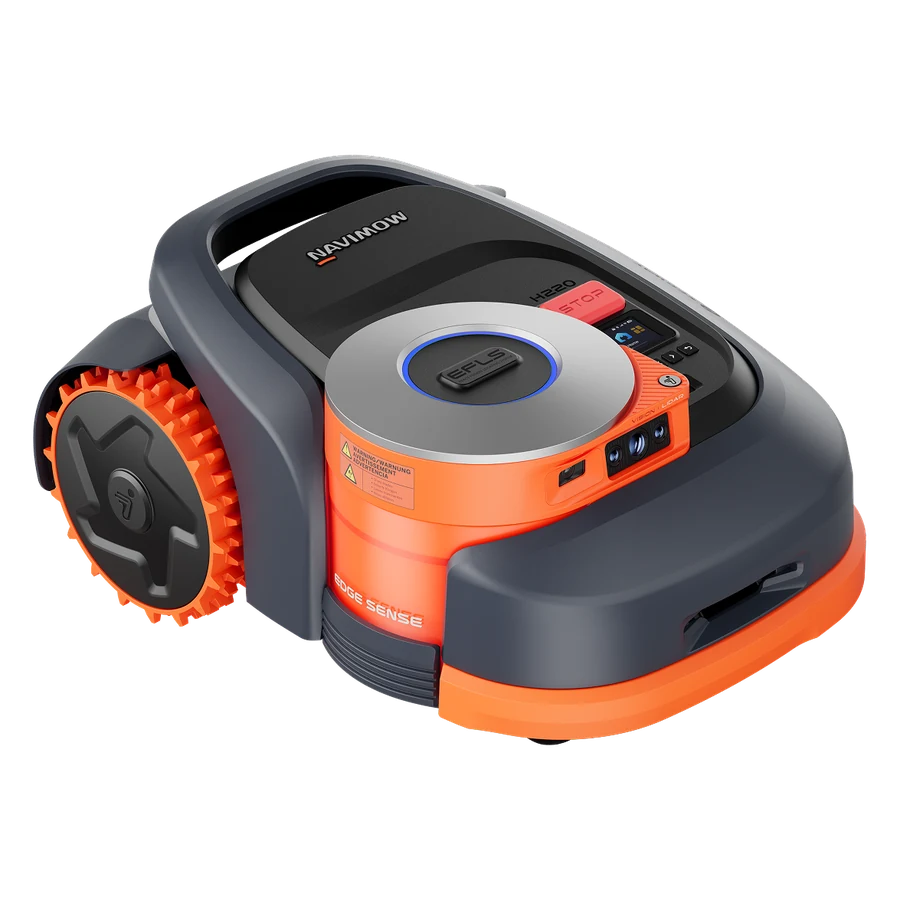 Segway Navimow
- Lawn area: Up to 1 acre in US listings; 3,000 m² (about 0.75 acre)…
- Navigation: Network RTK satellite positioning plus cameras (EFLS…
- Slope: Up to 84% (40°)
around $2,499 / £2,499
Best for tidy edges and tree-heavy yardsBuy now
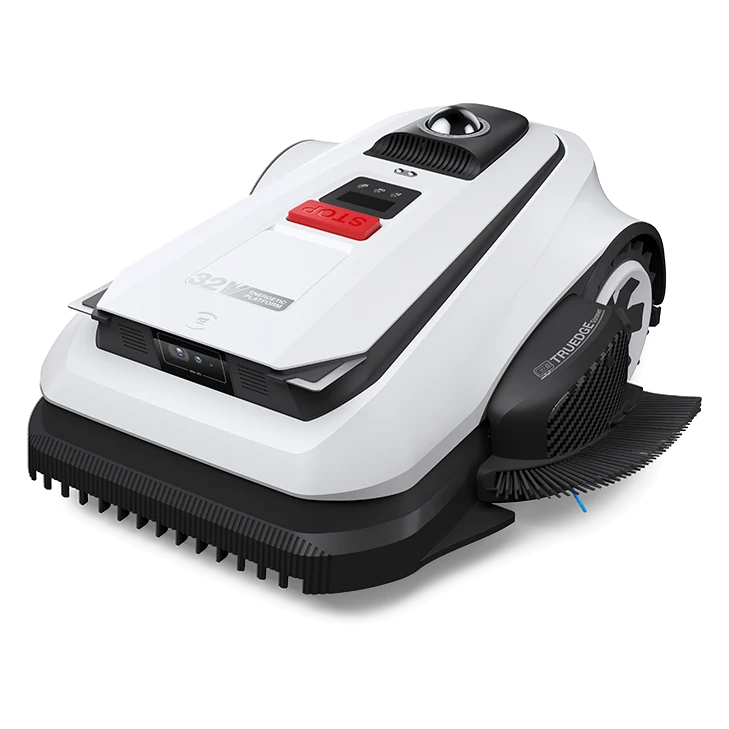 Ecovacs
- Lawn area: About 0.75 acre (32,000 sq ft, roughly 3,000 m²)
- Navigation: 360° LiDAR plus 3D ToF sensors and AI camera, no GPS,…
- Slope: Up to 50% (27°)
around $2,499 (US, Oct 2026); UK price not confirmed
Easiest to live withBuy now
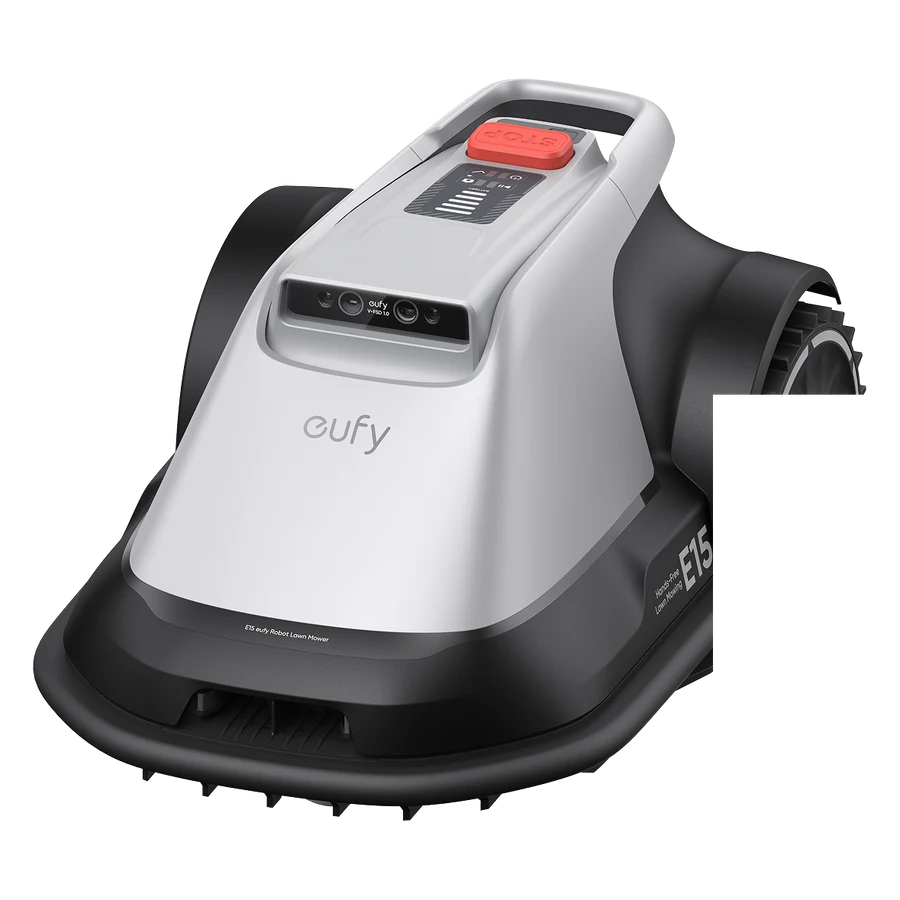 Eufy
- Lawn area: Up to 800 m² (about 0.2 acre, 8,600 sq ft)
- Navigation: Cameras and AI only, no wire and no RTK antenna
- Slope: Up to 18° (about 32%)
around $1,400 to $1,800 / £1,499
Best mid-price wire-free pickBuy now
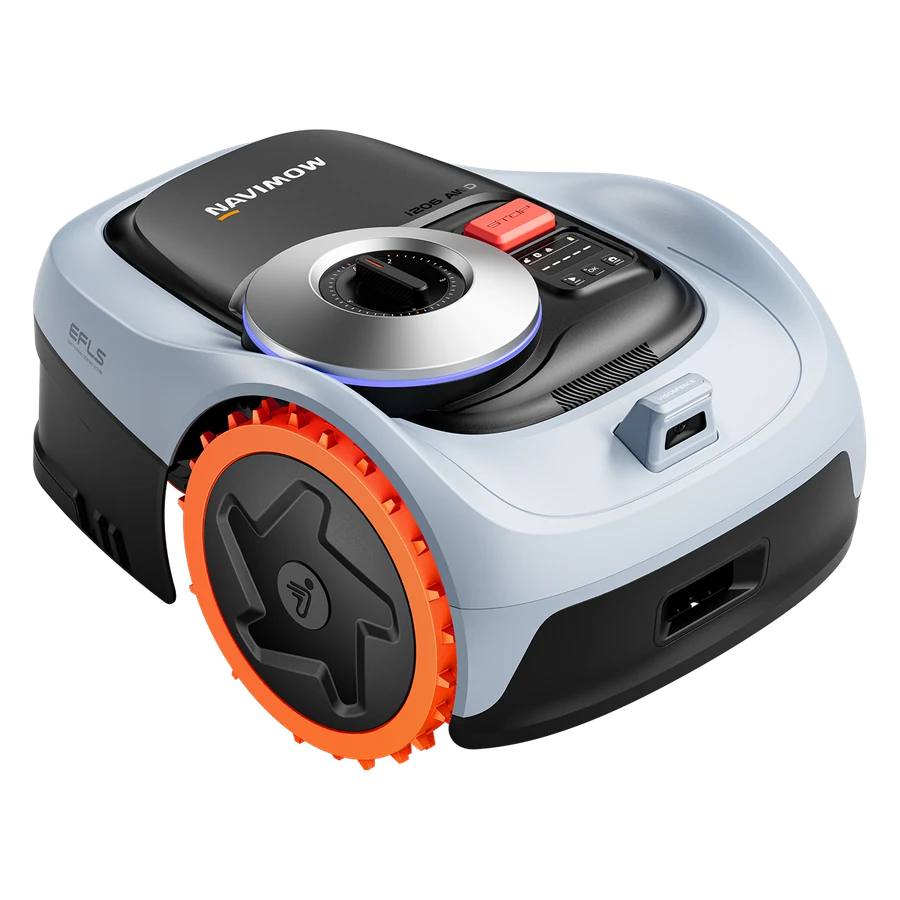 Segway Navimow
- Lawn area: Up to 600 m² (0.15 acre, about 6,500 sq ft); the i210…
- Navigation: Network RTK plus cameras; switches to camera navigation…
- Slope: Up to 45% (24°)
around $849 / £799
Cheapest way in (UK)Buy now
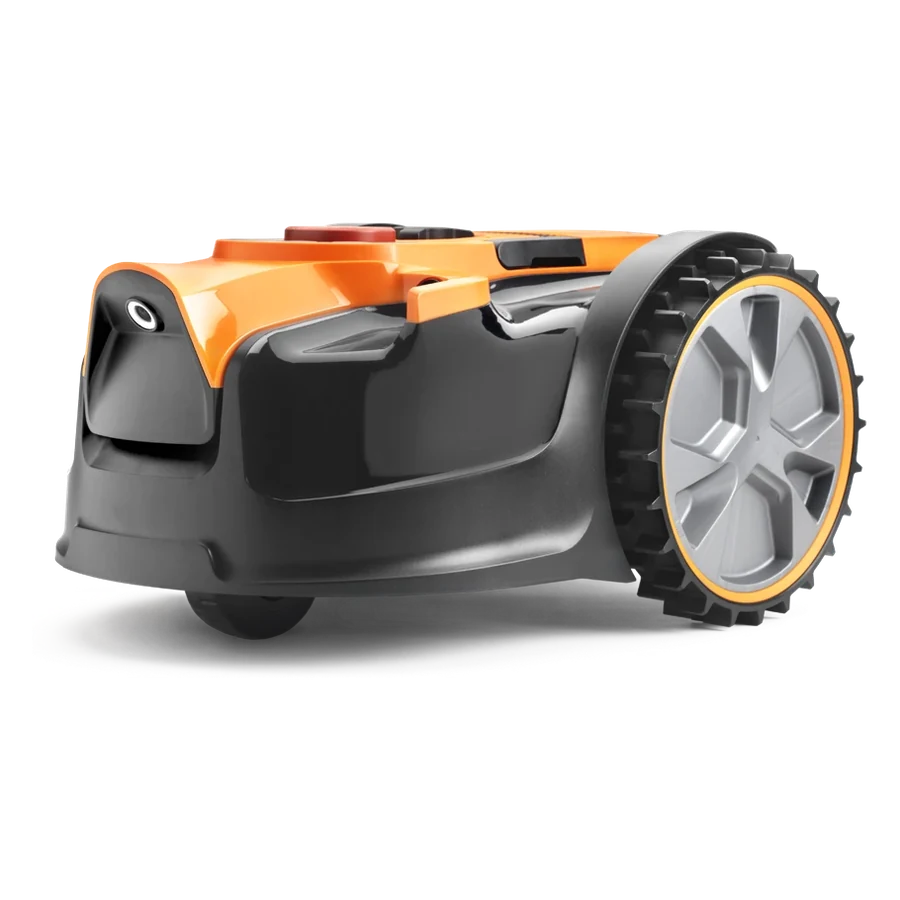 LawnMaster
- Lawn area: Up to 150 m² (about 1,600 sq ft)
- Navigation: Camera grass recognition, no wire and no app
- Dock: None, you charge the battery yourself
around £279 to £299 (UK, Oct 2026)
Best for steep hillsBuy now
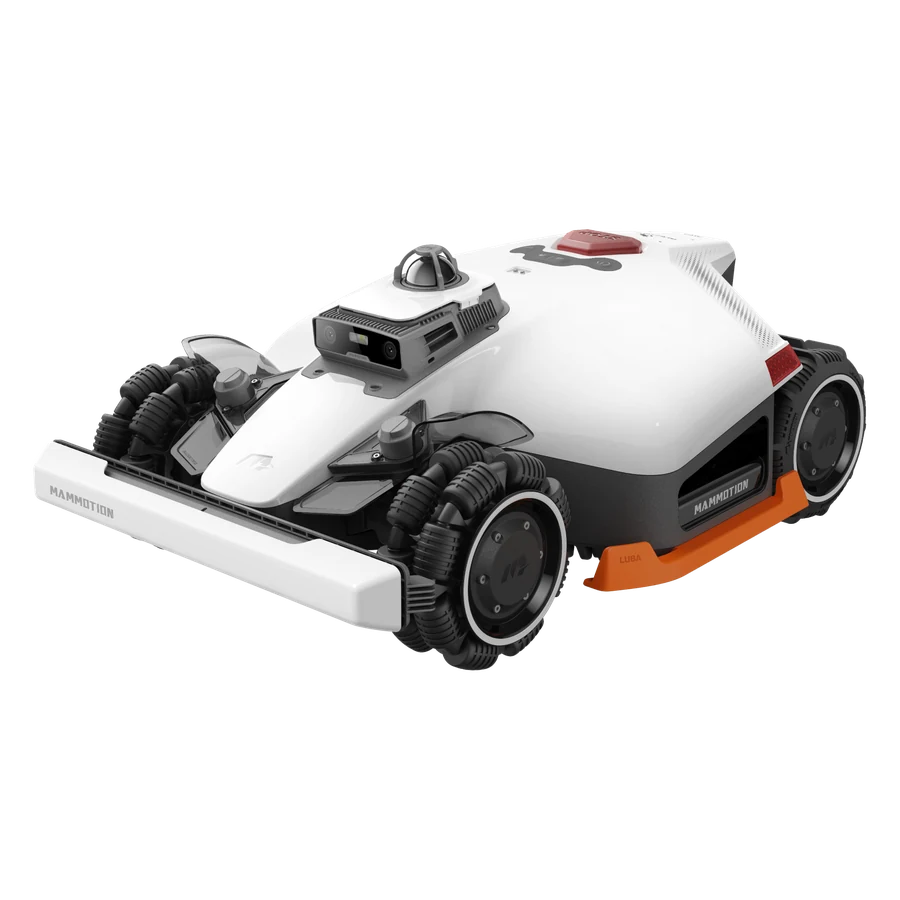 Mammotion
- Lawn area: 1,500, 3,000 or 5,000 m² versions (about 0.37, 0.75 and…
- Navigation: 360° LiDAR plus AI cameras; 3000 and 5000 versions add…
- Slope: Up to 80% (38.6°)
around £2,899 (5000 version, UK); US versions from around $2,399
Best premium dealer-backed mowerBuy now
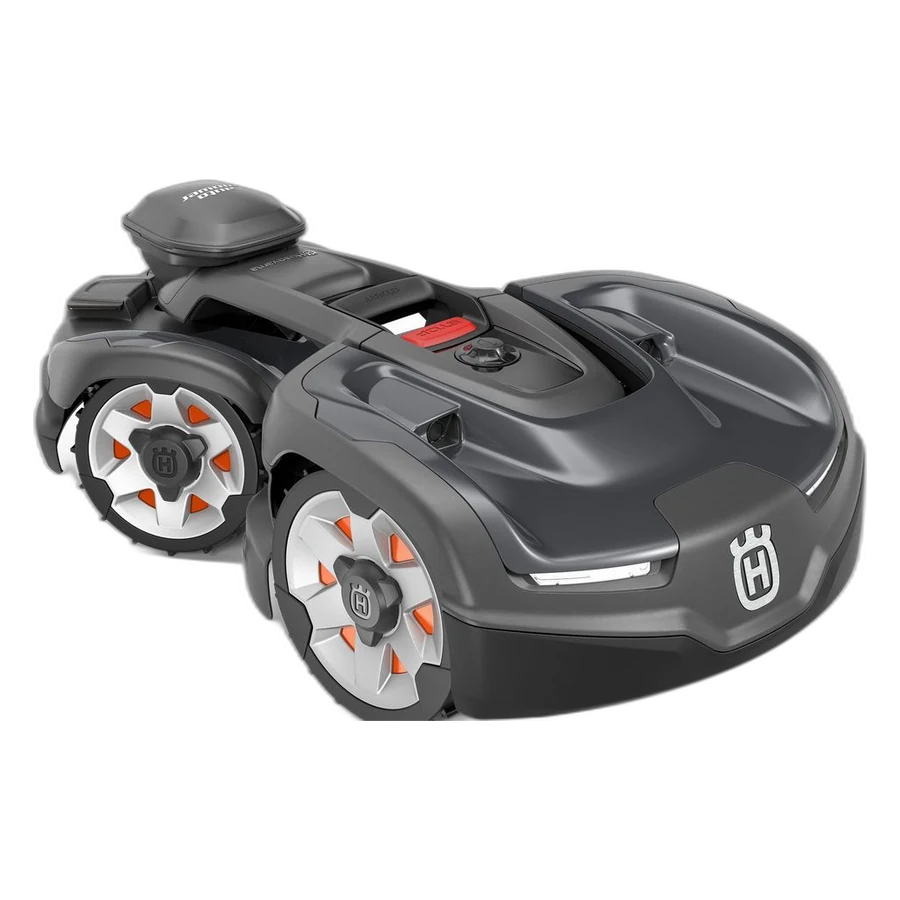 Husqvarna
- Lawn area: UK listing: 3,500 m² random mowing, 5,000 m² systematic…
- Navigation: Satellite virtual boundaries with Husqvarna EPOS (needs…
- Slope: Up to 70% (35°) inside the lawn, 50% at the boundary
around £4,769 to £5,299 (UK, Oct 2026) plus about £309 for the EPOS
Best budget wire-freeBuy now
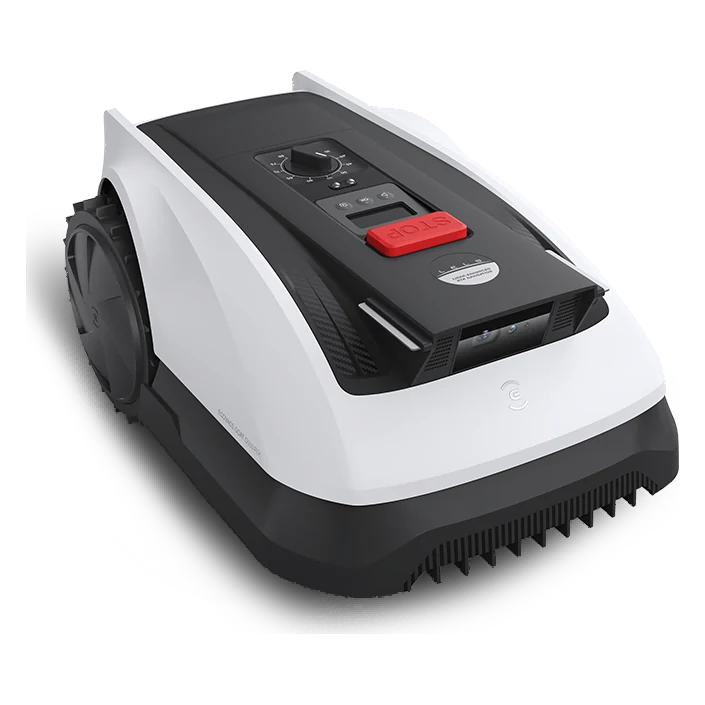 Ecovacs
- Lawn area: O1000: 0.25 acre (8,600 sq ft, about 800 m²); O600: 600…
- Navigation: RTK with a reference station you mount in the garden,…
- Slope: Up to 45% (24°)
around $999 (O1000 RTK) / £449 (O600 RTK RRP)
Top pick from Husqvarna (US)Buy now
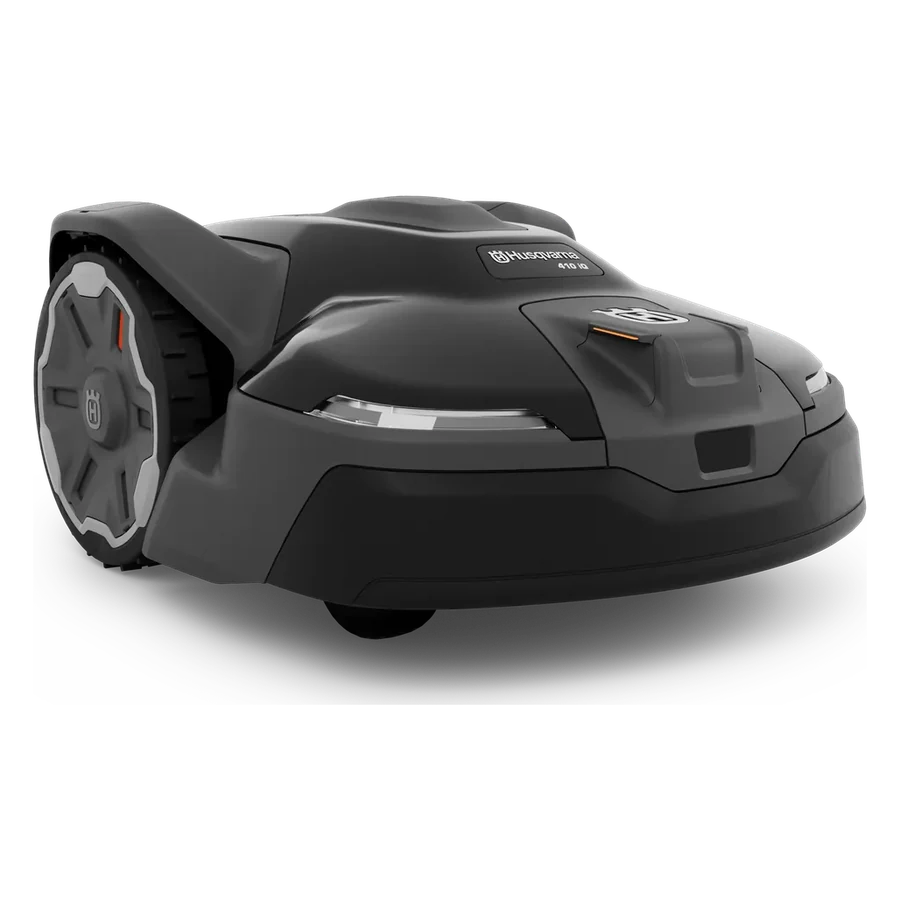 Husqvarna
- Lawn size: 0.5 acre (about 2,000 m²)
- Boundary: Virtual, optional guide wire
- Cutting height: 1 to 4 in (25 to 100 mm)
around $2,599
Top pick from WorxBuy now
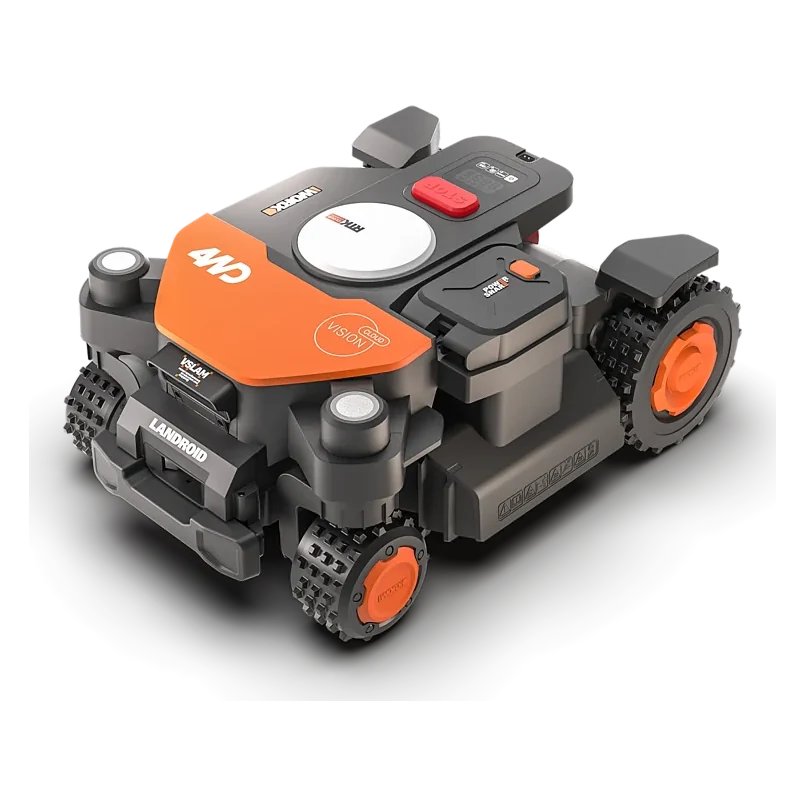 Worx
- Slope: 84% (40°)
- Navigation: RTK Cloud plus cameras, no antenna
- Cutting width: 8.7 in (22 cm)
around $1,399 to $1,999 / £1,649
Cheapest docking robot (UK)Buy now
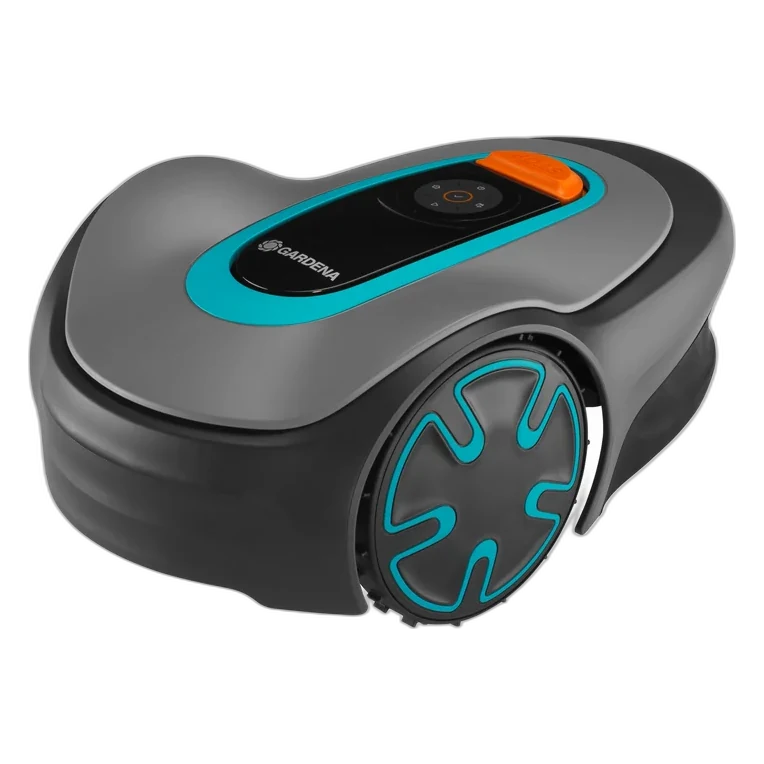 Gardena
- Lawn area: Up to 250 m² (about 2,700 sq ft)
- Navigation: Perimeter wire (150 m and pegs included), Bluetooth app
- Slope: Up to 25% in the lawn
around £382 (UK, Oct 2026)
Cheapest wire-free (US)Buy now
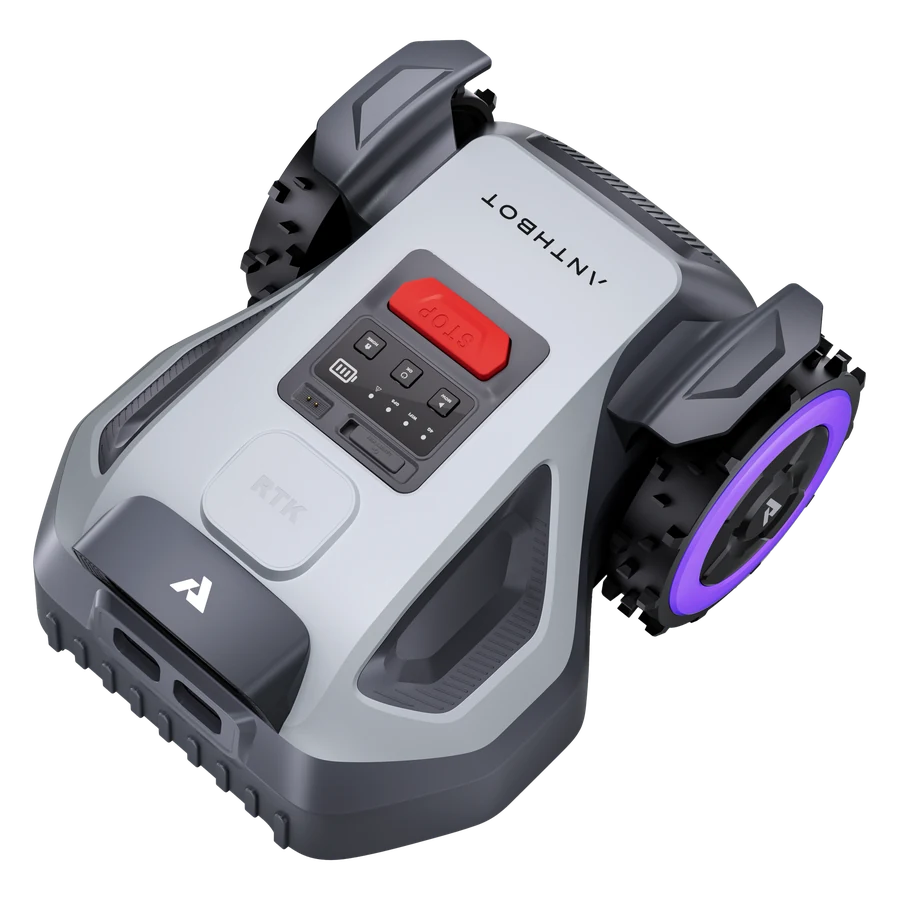 Anthbot
- Lawn area: Up to 500 m² (about 1/8 acre)
- Navigation: Full-band RTK plus dual cameras
- Slope: Up to 45% (24°)
around $549 to $629 (US, Oct 2026)
Best budget wire-free all-rounderBuy now
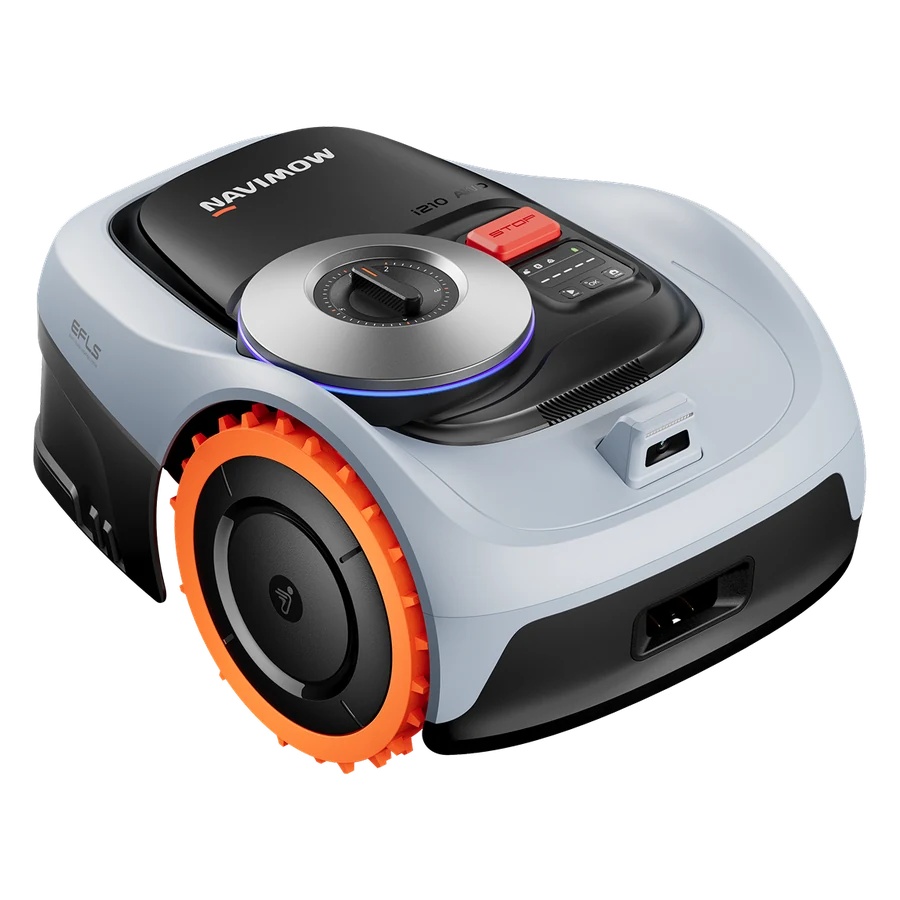 Segway Navimow
- Lawn area: Up to 500 m² (about 0.125 acre, 5,400 sq ft)
- Navigation: RTK satellite positioning with a small staked antenna,…
- Slope: Up to 30% (about 16°)
around $799 / £699
Cheapest LiDAR (US)Buy now
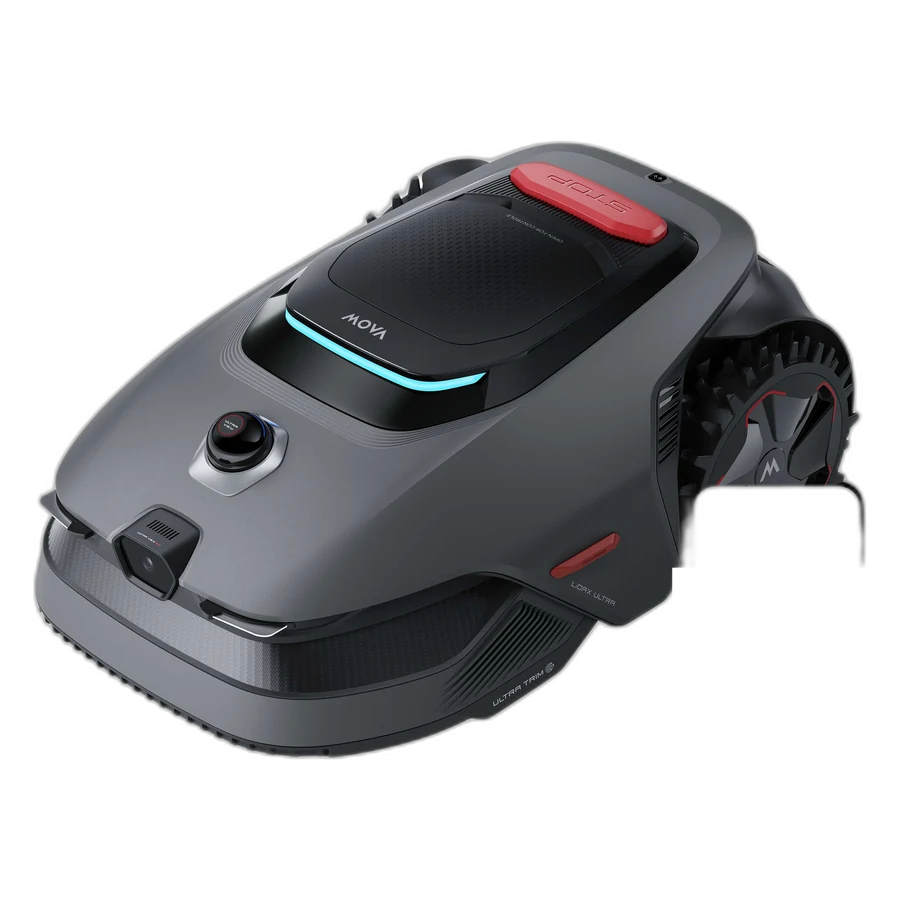 MOVA
- Lawn area: Up to 0.25 acre (1,000 m²)
- Navigation: 3D LiDAR plus AI camera, no RTK or antenna
- Slope: Up to 45% (24°)
around $999 (US, Oct 2026)
Best Husqvarna for bigger US lotsBuy now
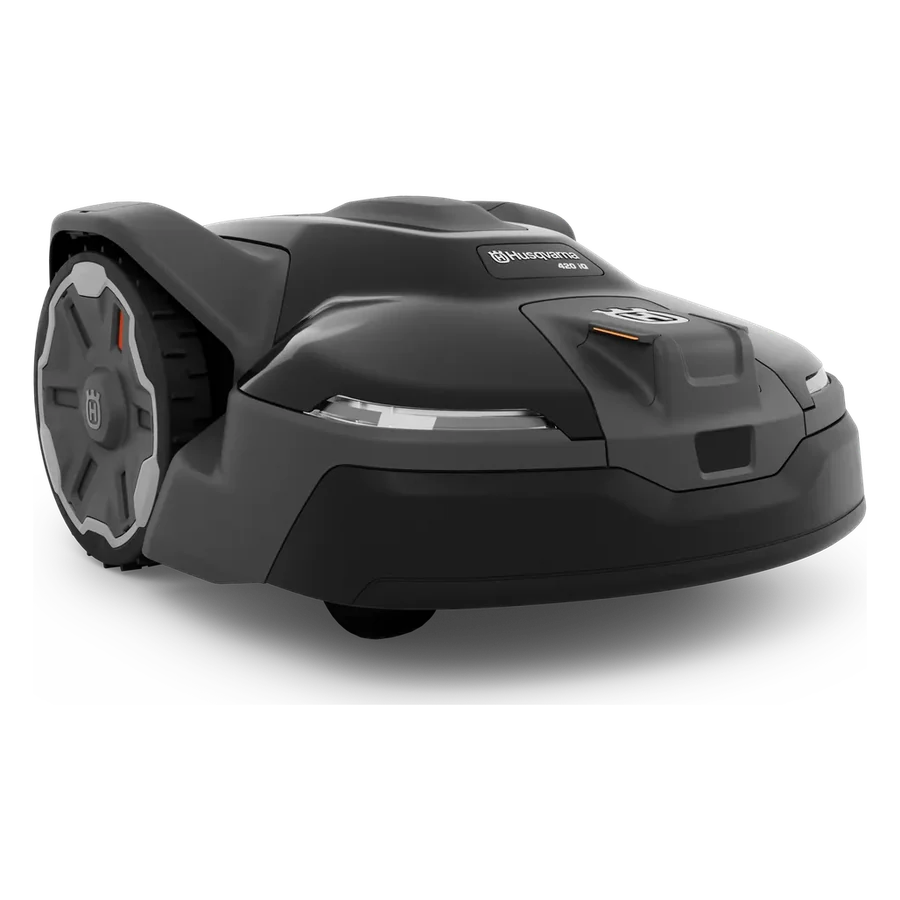 Husqvarna
- Lawn size: 420 iQ: 1 acre (about 4,000 m²); 440 iQ: 2 acres (about…
- Boundary: Virtual, physical wire optional
- Cutting height: 1 to 4 in (25 to 100 mm)
420 iQ around $3,299; 440 iQ around $4,299 at launch
Best Husqvarna for steep slopesBuy now
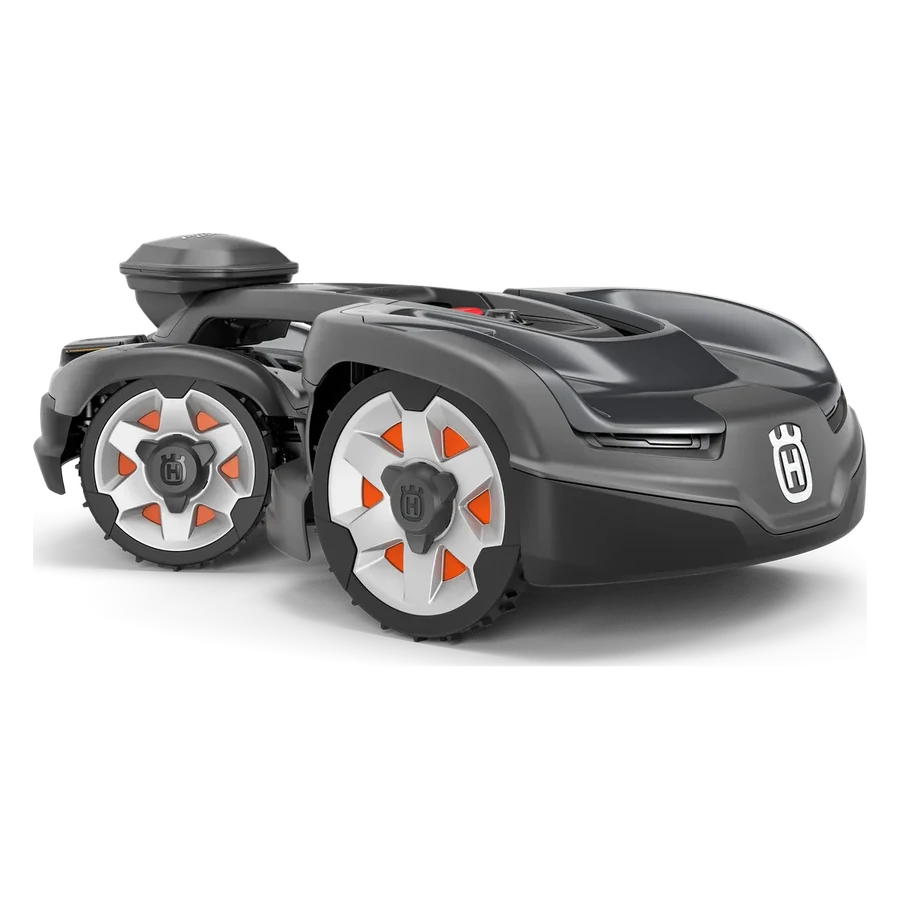 Husqvarna
- Lawn size: Up to 1.3 acres (about 5,300 m²)
- Slope: Up to 70%
- Drive: All-wheel drive
around $4,999
Best value Husqvarna (UK)Buy now
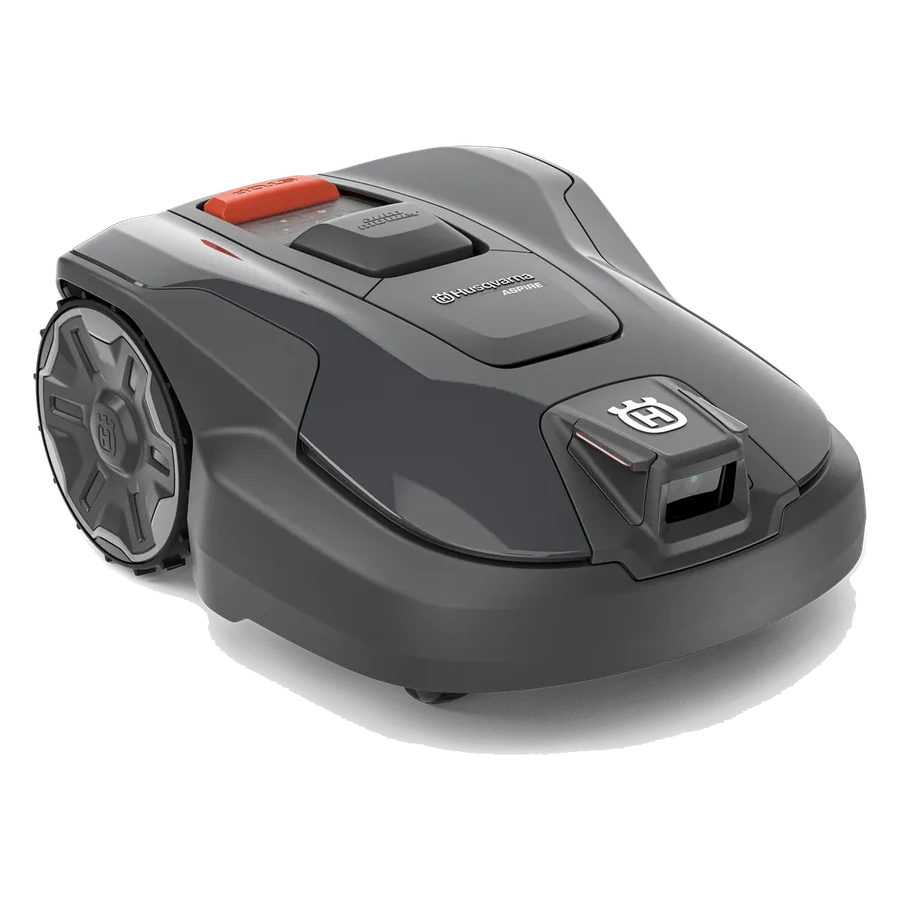 Husqvarna
- Lawn size: Up to 600 m² (about 0.15 acre)
- Boundary: Virtual, using cloud corrections over Wi-Fi
- Obstacle sensing: Camera with AI vision
around £999
Best Husqvarna for medium UK gardensBuy now
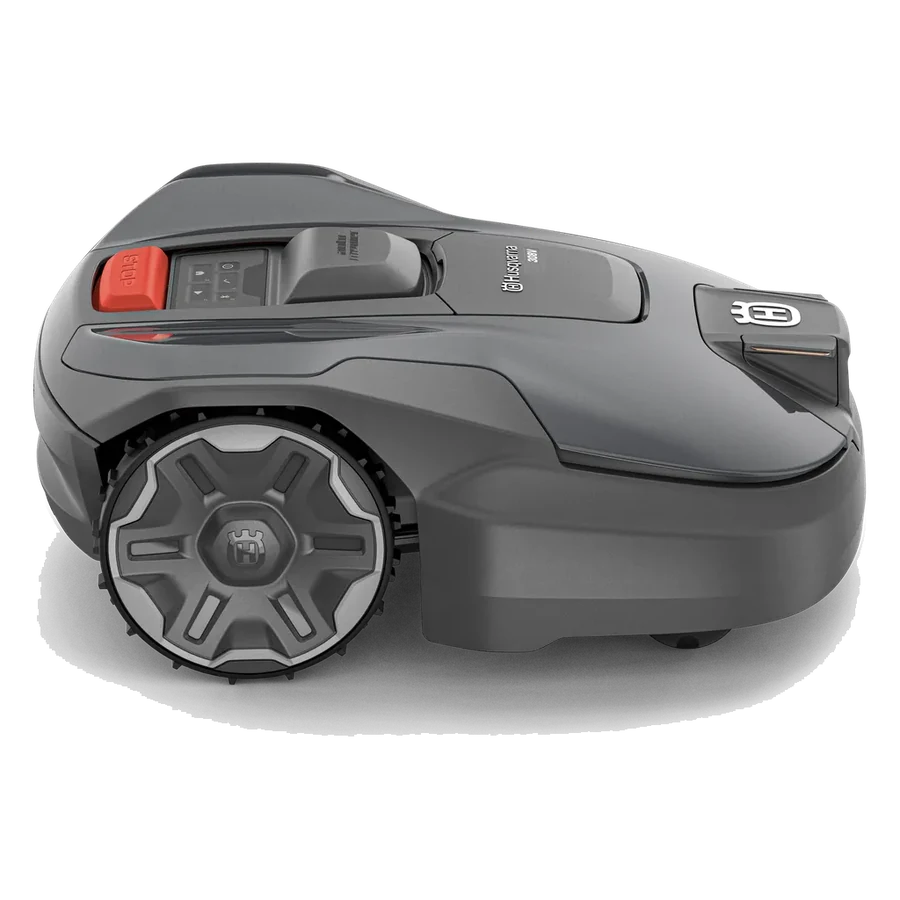 Husqvarna
- Lawn size: 308V: 800 m² (about 0.2 acre); 312V: 1,200 m² (about 0.3…
- Slope: Up to 40% inside the lawn, 15% at the edge
- Cutting width: 22 cm (8.7 in)
308V around £1,249; 312V around £1,499
Best premium Husqvarna (UK)Buy now
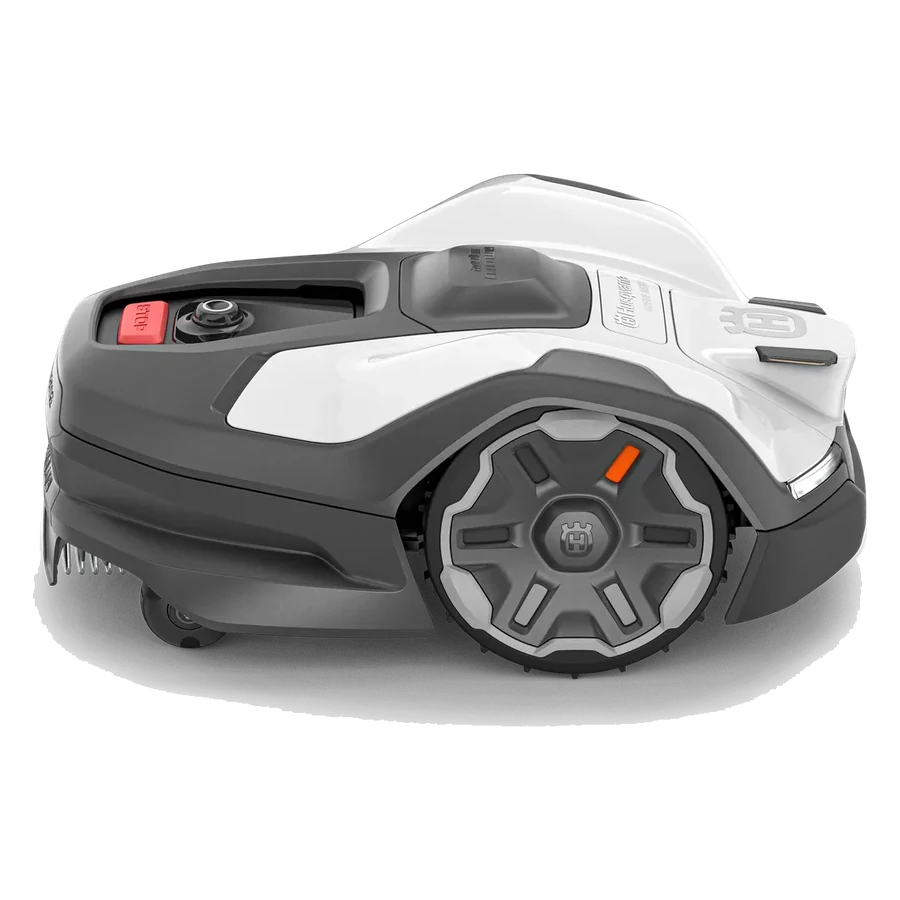 Husqvarna
- Lawn size: 405VE: 900 m² (about 0.22 acre); 430V: 4,800 m² (about…
- Boundary: Virtual, with EPOS plug-in
- Obstacle sensing: AI object avoidance
405VE NERA RRP £2,289; 430V NERA RRP £3,699
Best for 1 acre (US)Buy now
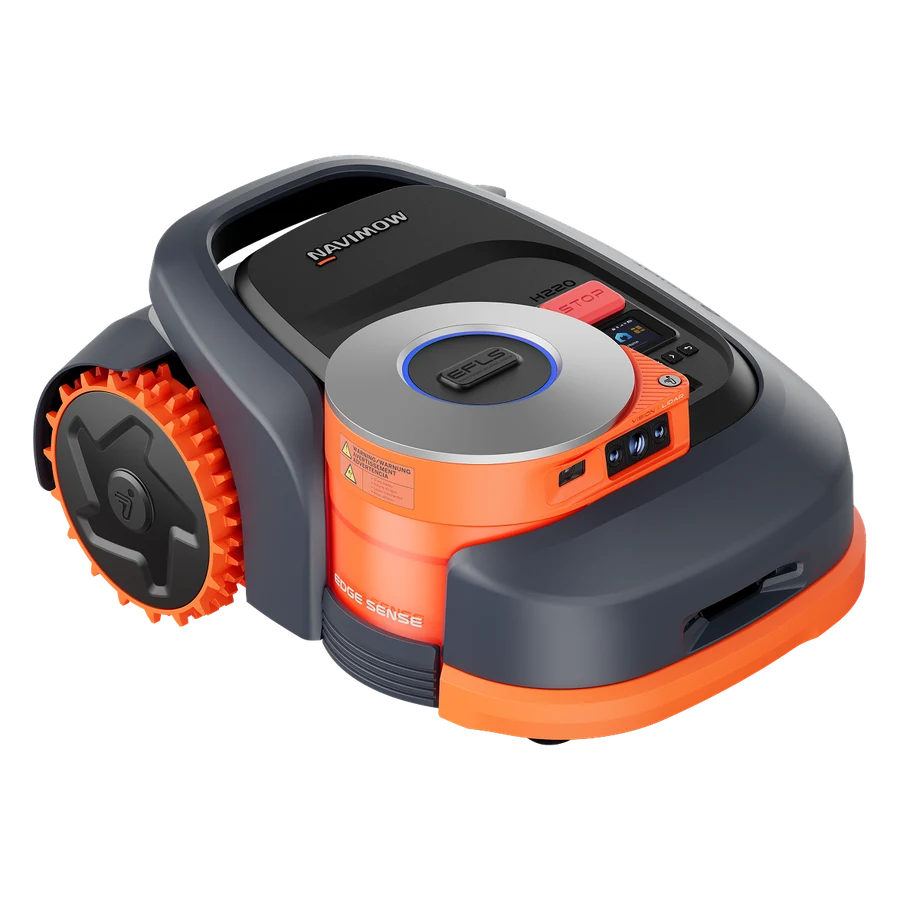 Segway Navimow
- Lawn area: Up to 1.5 acres (about 6,000 m²)
- Navigation: Network RTK plus cameras (EFLS 3.0), no antenna to install
- Slope: Up to 84% (40°)
around $2,999 (US, Oct 2026); UK price not confirmed
Best antenna-free alternativeBuy now
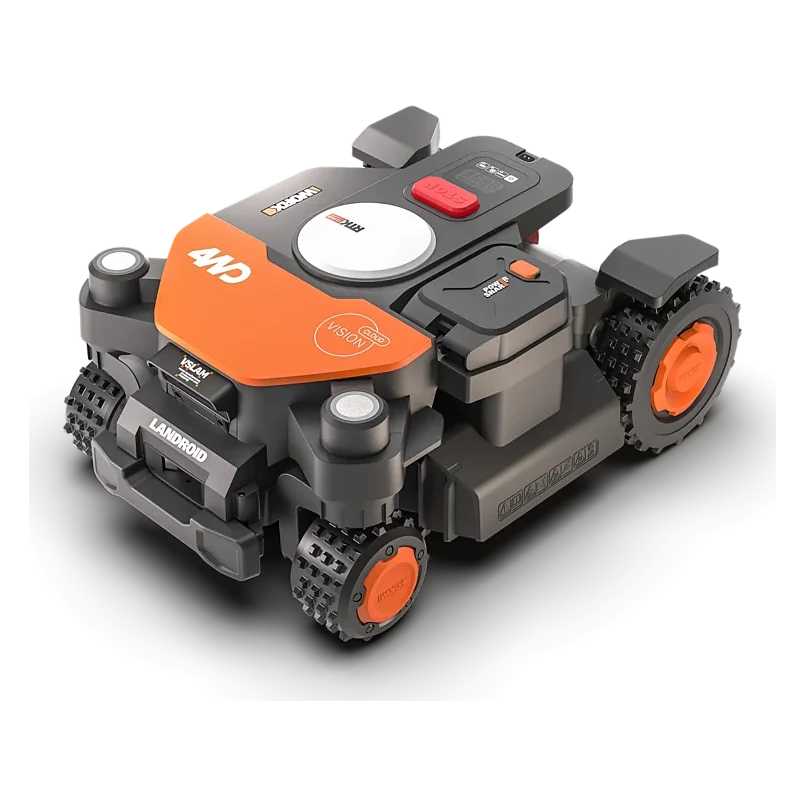 Worx
- Lawn area: Up to 1 acre (about 4,000 m²)
- Navigation: Stereo cameras plus cloud RTK and V-SLAM, no base…
- Slope: Up to 84% (40°)
around $2,200 (US, Oct 2026)
Best for 2 acres and upBuy now
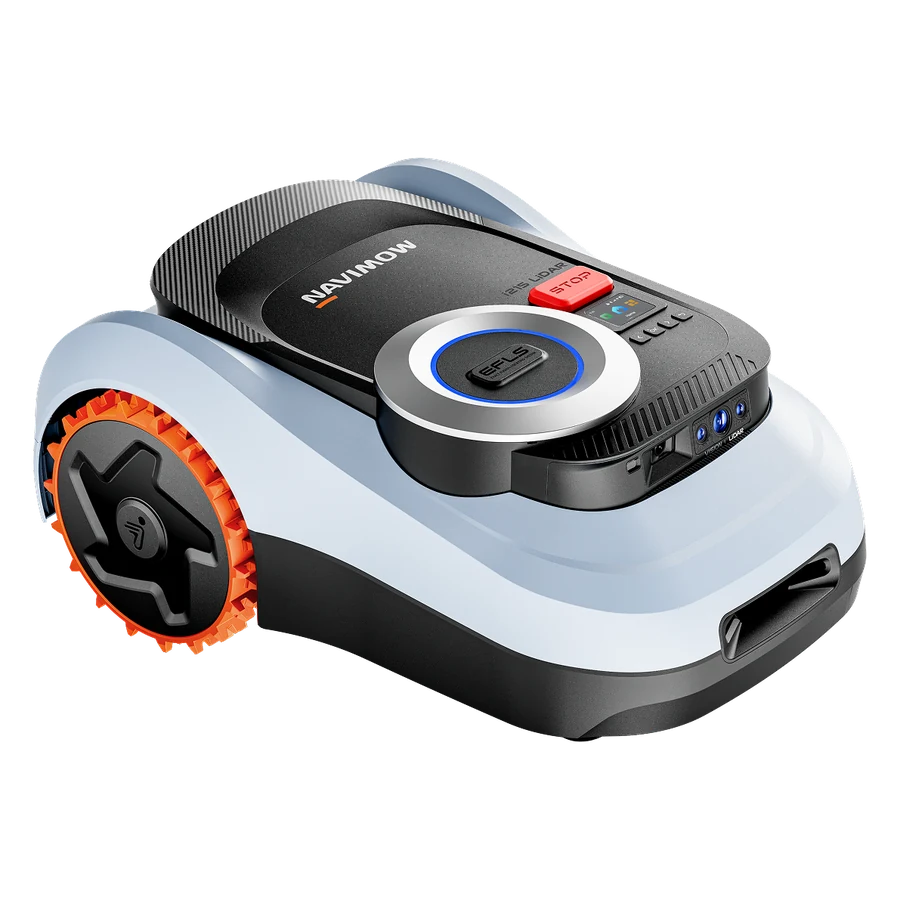 Segway Navimow
- Lawn area: Up to 2.5 acres (about 10,000 m²)
- Navigation: Wire-free satellite positioning with camera support
- Boundary wire: None
around $4,499 (US, Oct 2026)
Best for multi-acre propertiesBuy now
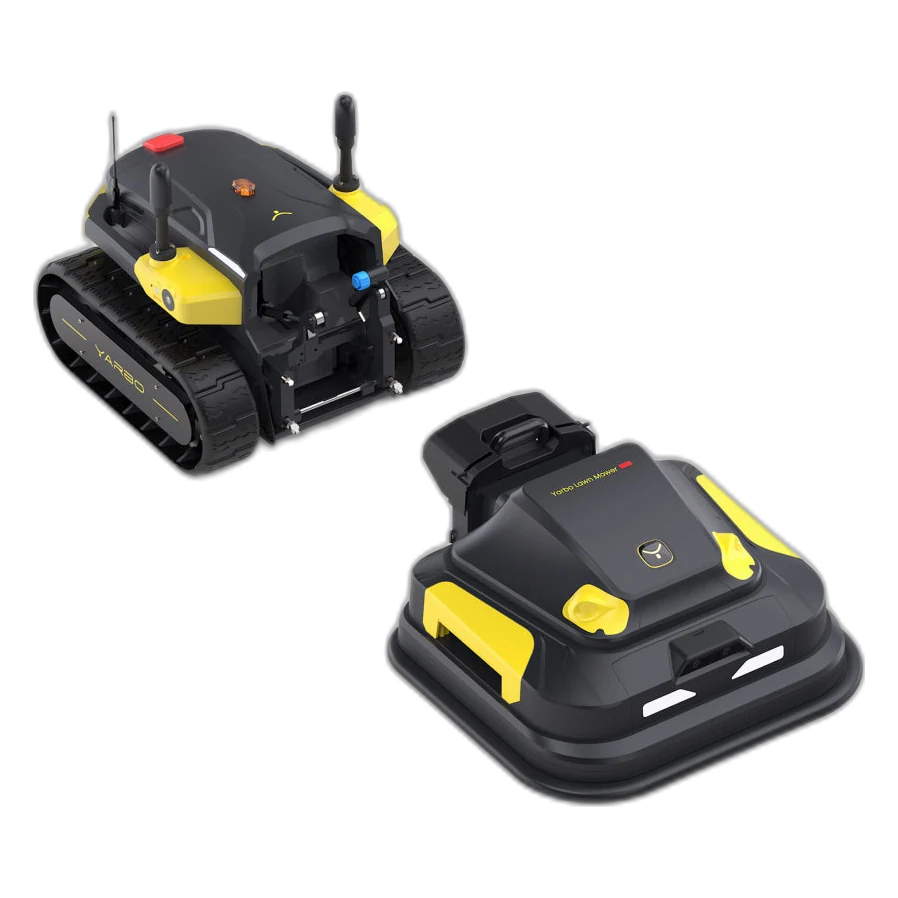 Yarbo
- Lawn area: Up to 6 acres, per Reviewed
- Navigation: RTK-GPS plus six cameras
- Slope: Up to 70% (35°)
around $5,999 MSRP (US, Oct 2026)
Best Mammotion overallBuy now
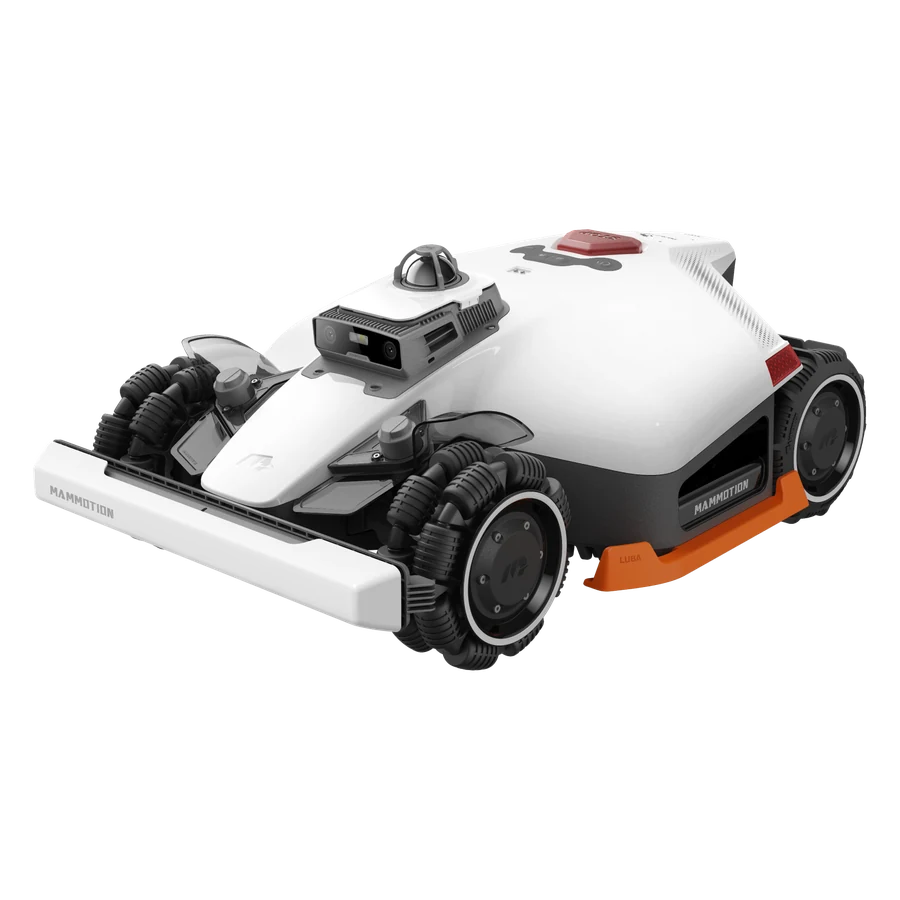 Mammotion
- Lawn size: 0.75 acre (3,000 m²)
- Slope: Up to 80% (38.6°)
- Drive: All-wheel drive
around $2,799 (US); UK LUBA 3 range from £2,099
Best Mammotion for an acre or moreBuy now
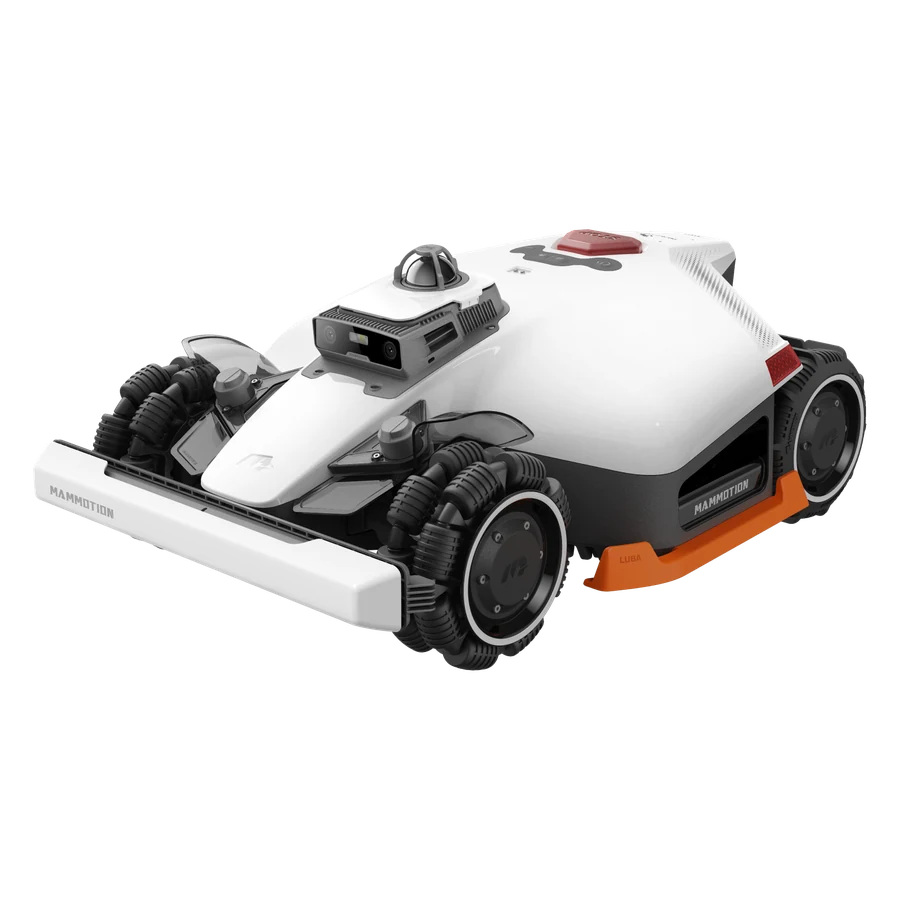 Mammotion
- Lawn size: 1.25 acres (about 5,000 m²)
- Slope: Up to 80% (38.6°)
- Navigation: 360° LiDAR, network RTK and AI vision
around $3,299; UK price not verified
Best Mammotion for small, steep gardensBuy now
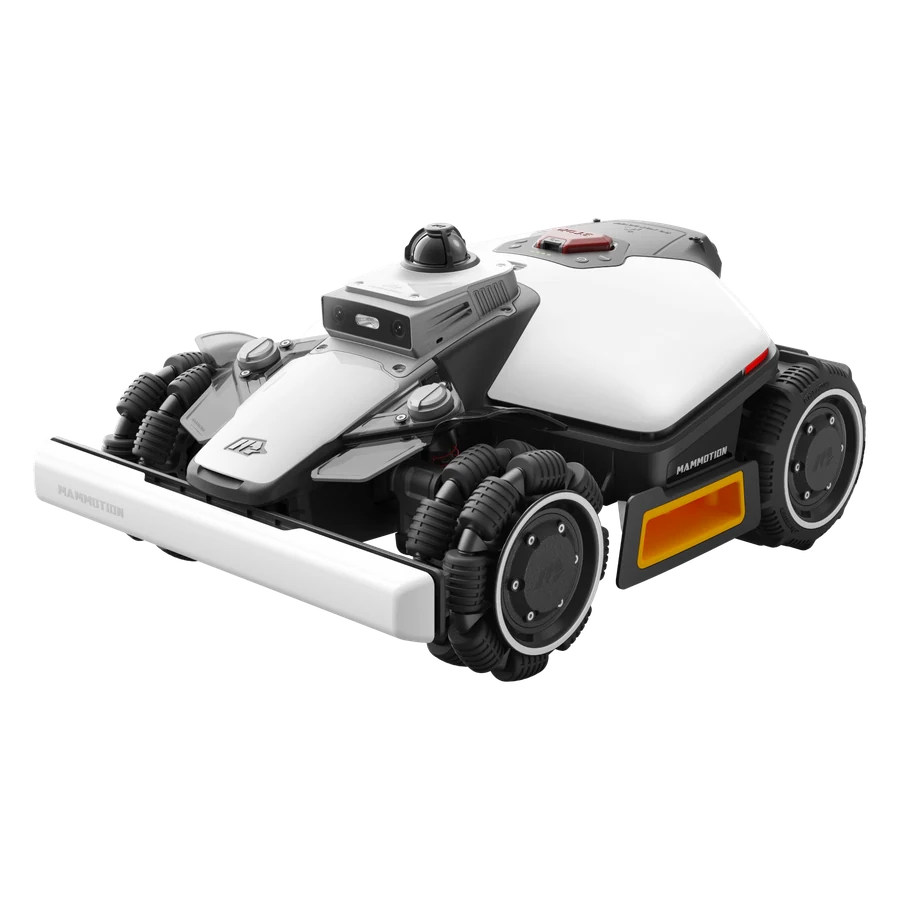 Mammotion
- Lawn size: UK: 1,000 or 1,500 m²; US: 0.37 acre
- Slope: Up to 80% (38.6°)
- Drive: All-wheel drive
around $1,799 / £1,699
Cheapest MammotionBuy now
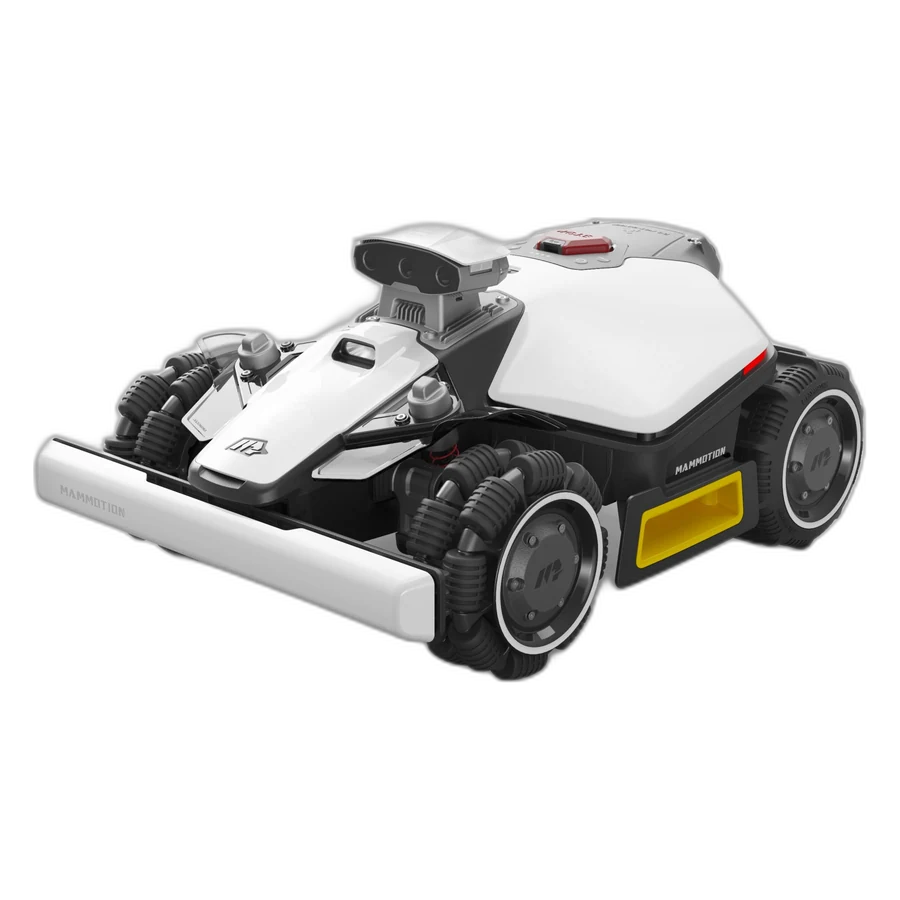 Mammotion
- Lawn size: 800 or 1,000 m² (about 0.2 to 0.25 acre)
- Slope: Up to 45% (Shropshire Star figure)
- Navigation: LiDAR plus AI vision, no wire
around $1,399 (1000H, US) / £949 (800) to £999 (1000)
Best Navimow for tree-lined gardensBuy now
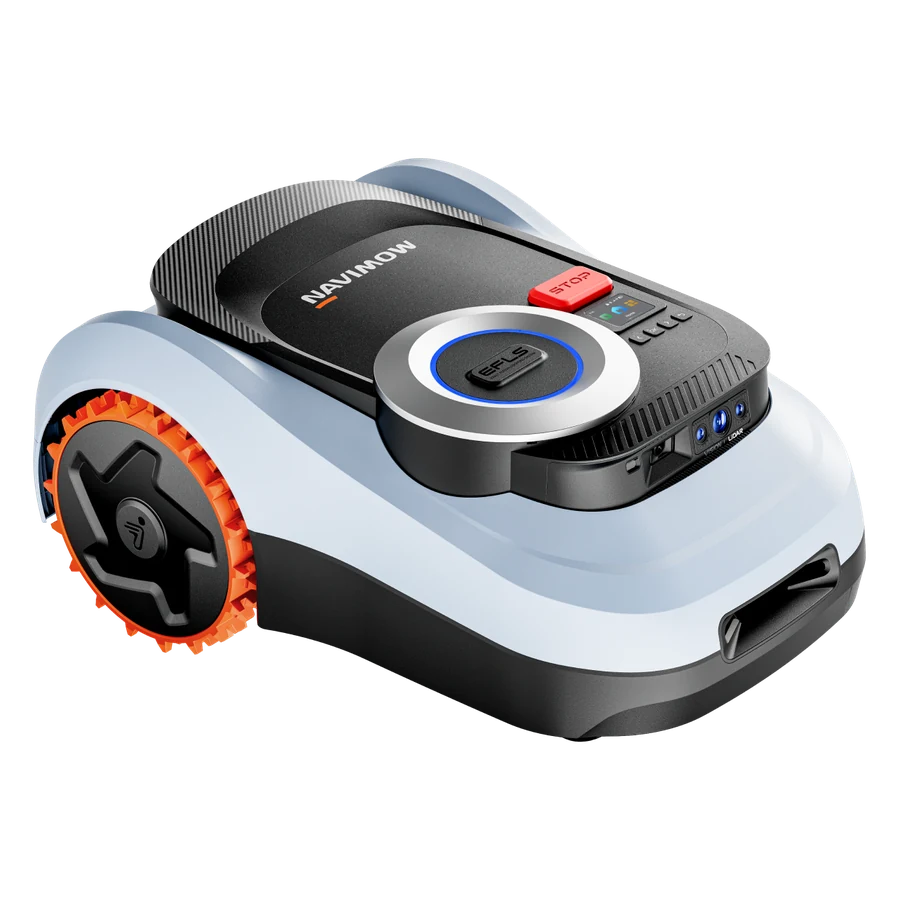 Segway Navimow
- Lawn size: 800 m² to 2,000 m² (about 0.2 to 0.5 acre); US i215…
- Navigation: LiDAR (a laser sensor that maps your garden) plus…
- Slope: 45% (24°) on the UK page; Notebookcheck lists 55% for…
around $1,329 (i215 LiDAR) / £999 to £1,099 (i208 LiDAR)
Best Navimow for very large, flat lawnsBuy now
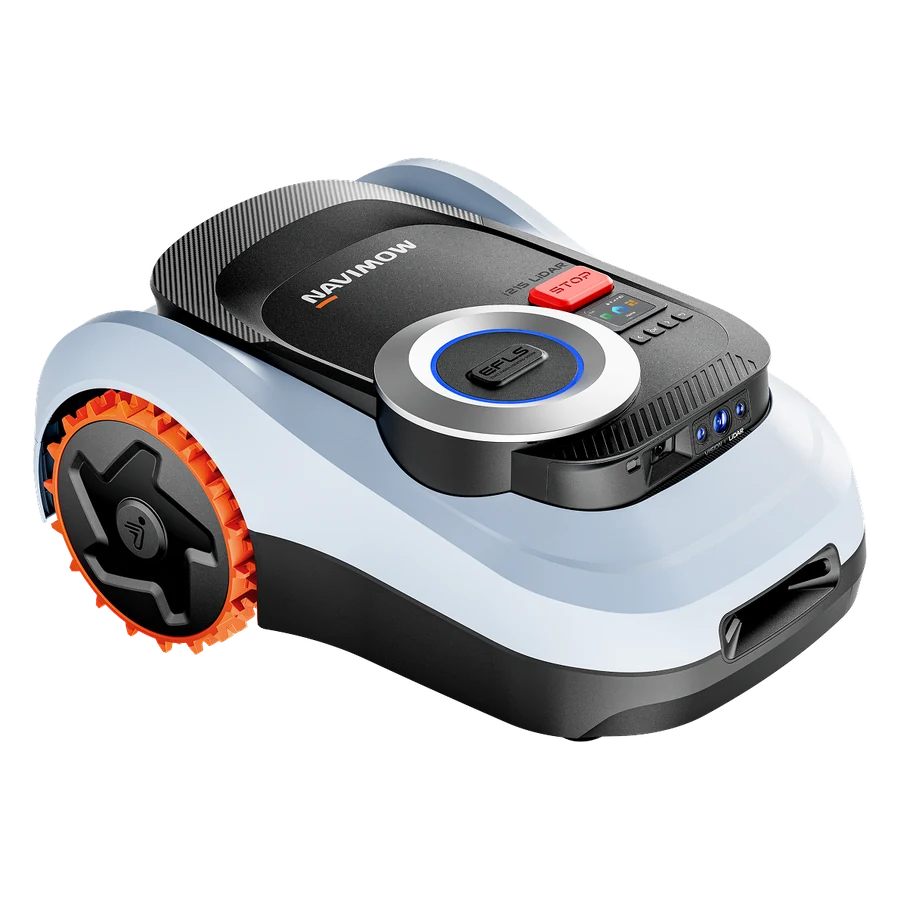 Segway Navimow
- Lawn size: X330: 1 acre (UK 3,000 m²); X350: 1.5 acres (5,000 m²);…
- Slope: Up to 50% (27°)
- Drive: Two-wheel drive
X330 around $2,299 / £2,299; X350 around $2,799; X390 around $4,499
Best wide-cut LiDAR hill mower (US)Buy now
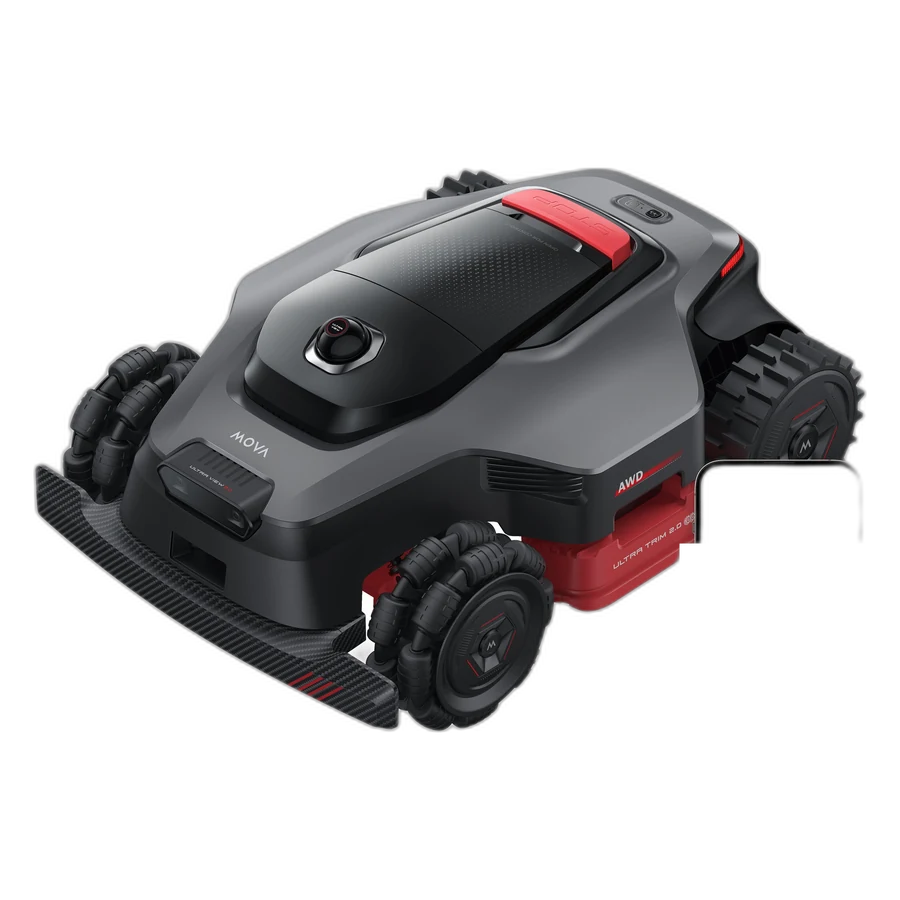 MOVA
- Lawn area: 0.75 acre on one map, up to 1.5 acres across two maps…
- Navigation: 3D LiDAR plus dual AI cameras, no RTK base station
- Slope: Up to 80% (38.6°)
around $2,399 (US, Oct 2026)
Also considerBuy now
 Sunseeker
- Lawn area: Up to 0.75 acre (about 3,000 m²)
- Navigation: RTK plus binocular camera VSLAM
- Slope: Up to 70% (35°)
around $2,499 MSRP (US, Oct 2026)
Best value LiDAR (UK)Buy now
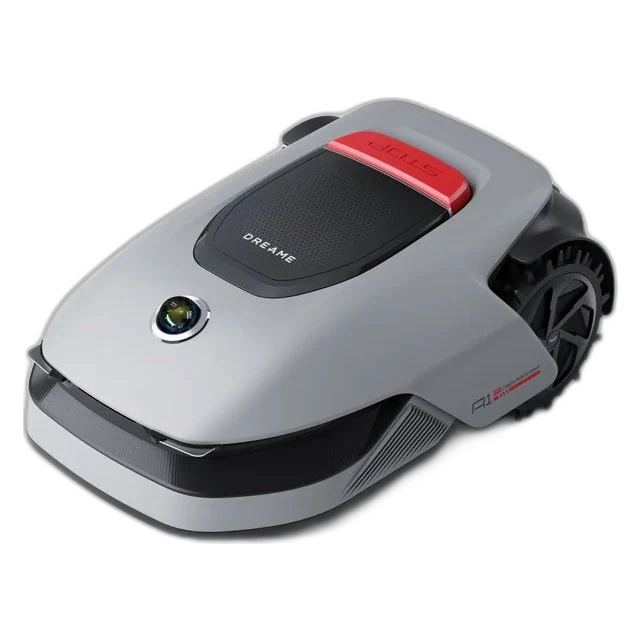 Dreame
- Lawn area: Up to 2,000 m² (about 0.5 acre)
- Navigation: OmniSense 3D LiDAR with obstacle avoidance, no wire
- Slope: Up to 45% (24°)
around £999 (UK, Oct 2026); US price not confirmed
Best budget WorxBuy now
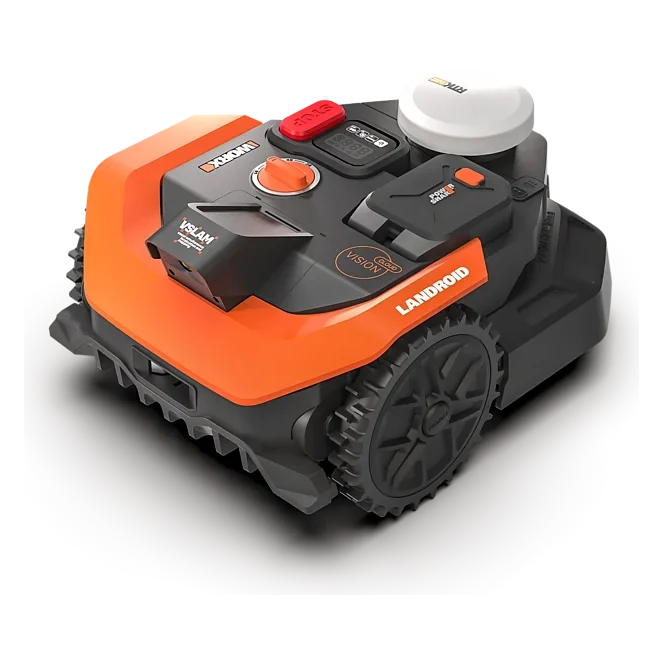 Worx
- Lawn size: US WR310: up to 0.25 acre; UK WR305E: 500 m² (about 0.12…
- Slope: Up to 30%
- Drive: Two-wheel drive
around $1,050 to $1,199 (WR310) / £699 (WR305E, 500 m²)
Best Worx for larger flat lawnsBuy now
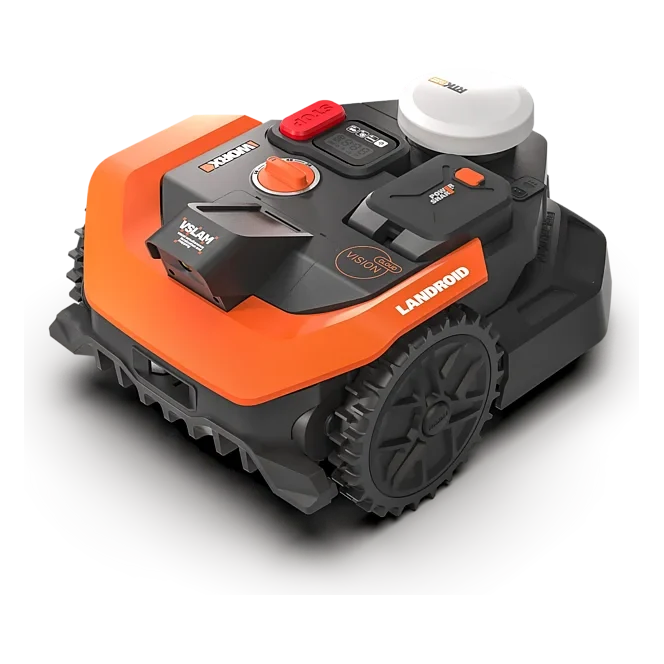 Worx
- Lawn size: US WR320: 0.5 acre (about 2,000 m²); UK WR318E: 1,800 m²…
- Slope: Up to 30% (17°)
- Drive: Two-wheel drive
around $1,249 (WR320, half acre) / £1,229 (WR318E, 1,800 m²)
Best Worx for half-acre hillsBuy now
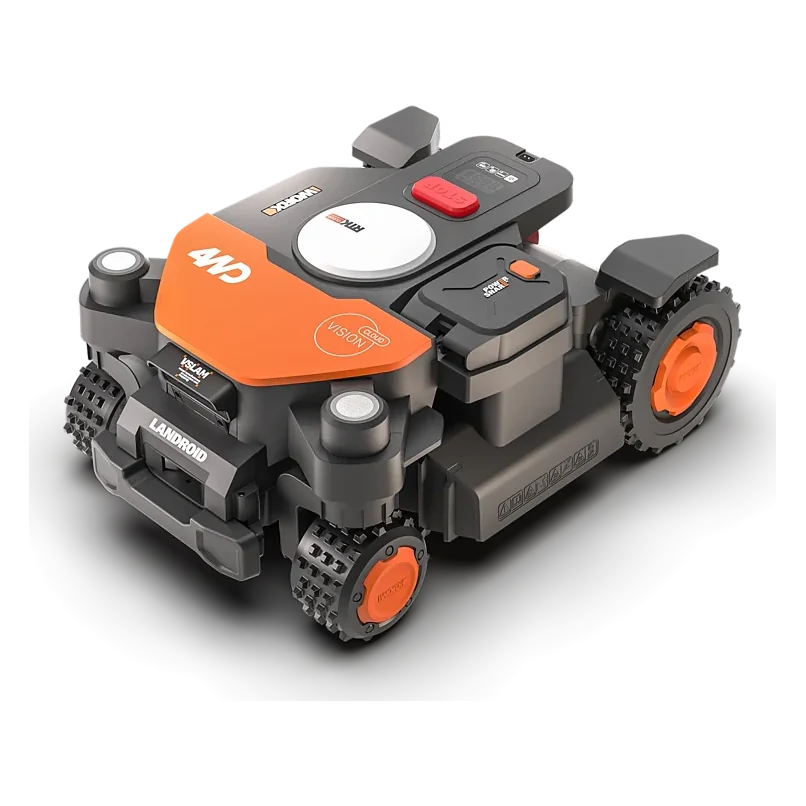 Worx
- Lawn size: US: 0.5 acre; UK: 2,000 m²
- Slope: Up to 84% (40°)
- Drive: Four-wheel drive
around $2,055 to $2,299 / £2,299
No robots match those filters. Try removing one.