Obstacle avoidance is what stops a robot vacuum from swallowing a phone cable, dragging a sock across the room or, worst of all, smearing pet mess through the house. It is different from navigation. Navigation is how the robot maps your rooms and plans a route. Obstacle avoidance is how it spots small things on the floor in real time and steers round them.
Good avoidance used to be limited to the most expensive robots. In 2026 camera-based systems appear on many mid-range models, but performance still varies a lot. Vacuum Wars, which scores obstacle avoidance across many robots, reported in August 2026 that the average score was about 16 out of 24 and only two models scored perfectly. So even the best system works best on a reasonably tidy floor.
Obstacle avoidance compared (Oct 2026)| Model | Price | Avoidance hardware | Camera? | Best for |
|---|
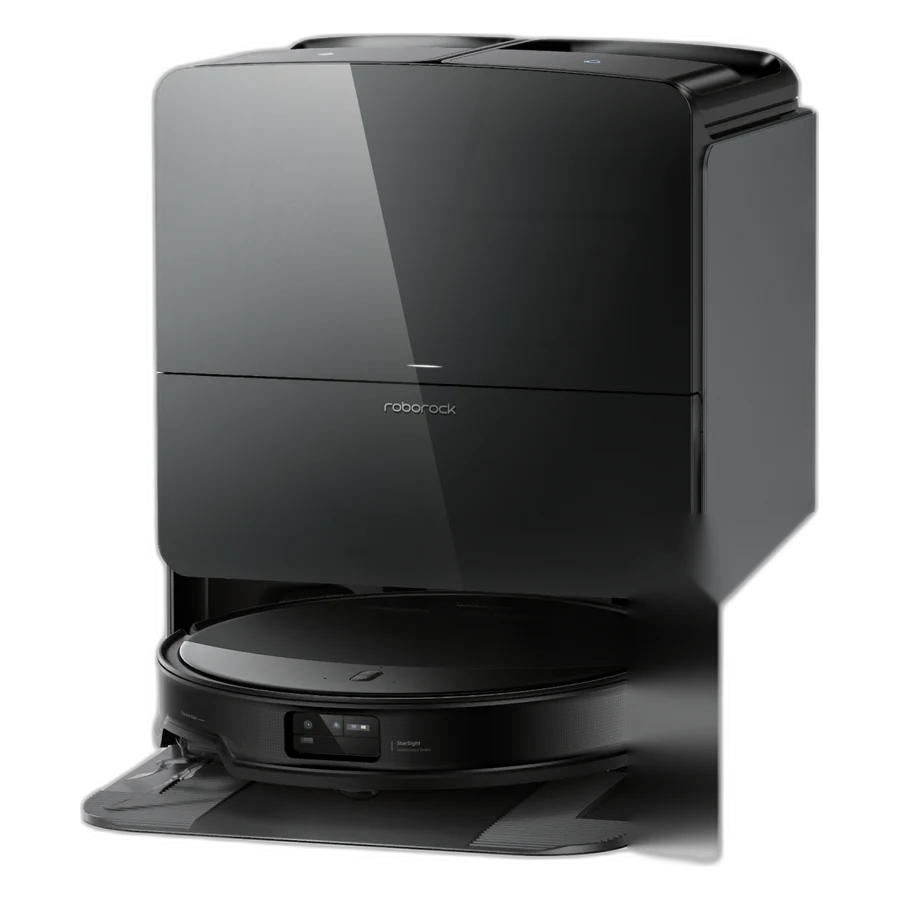
| Roborock Saros 10R | around $900 | 3D ToF, RGB camera, side sensing | Yes | Most homes |
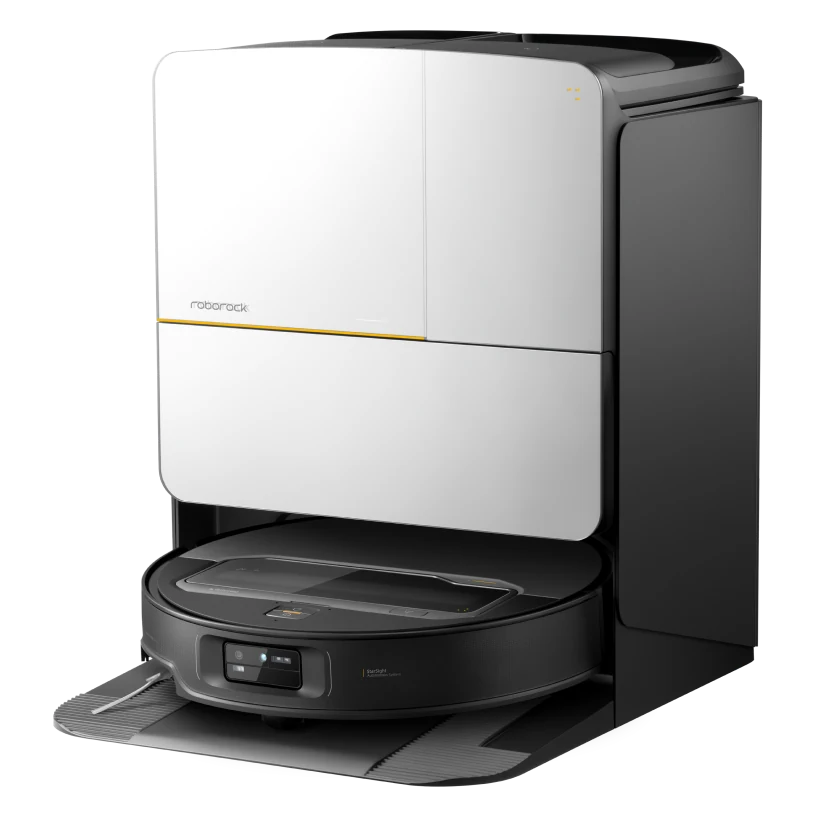
| Roborock Qrevo Curv | around $850 | Structured light plus RGB camera | Yes | Value |
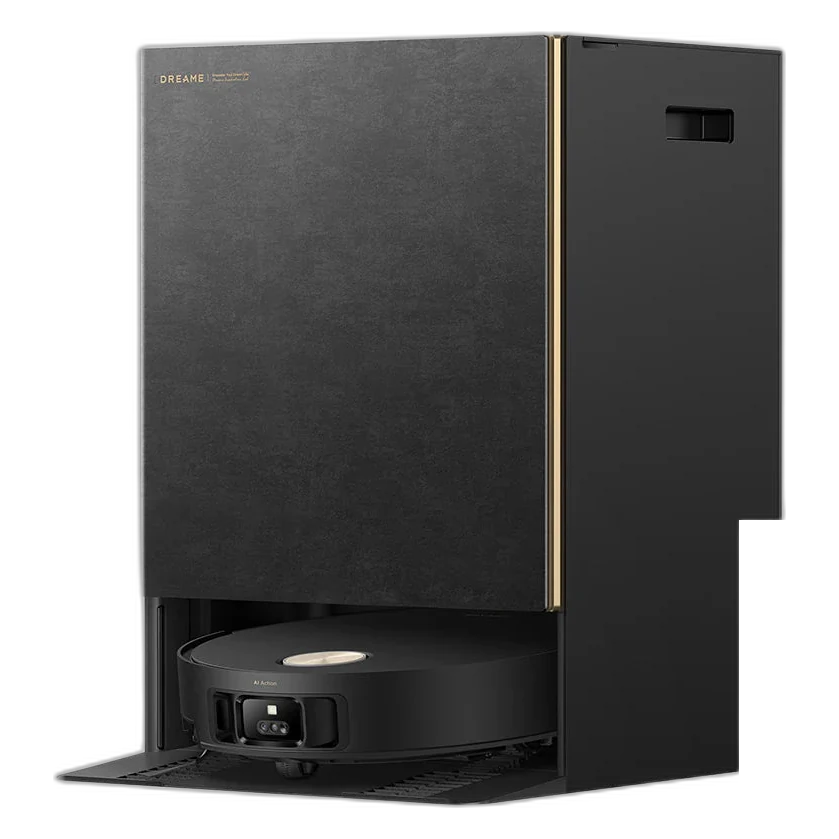
| Dreame X60 Max Ultra Complete | around $1,700 | Two AI cameras plus LED | Yes (two) | Flagship |
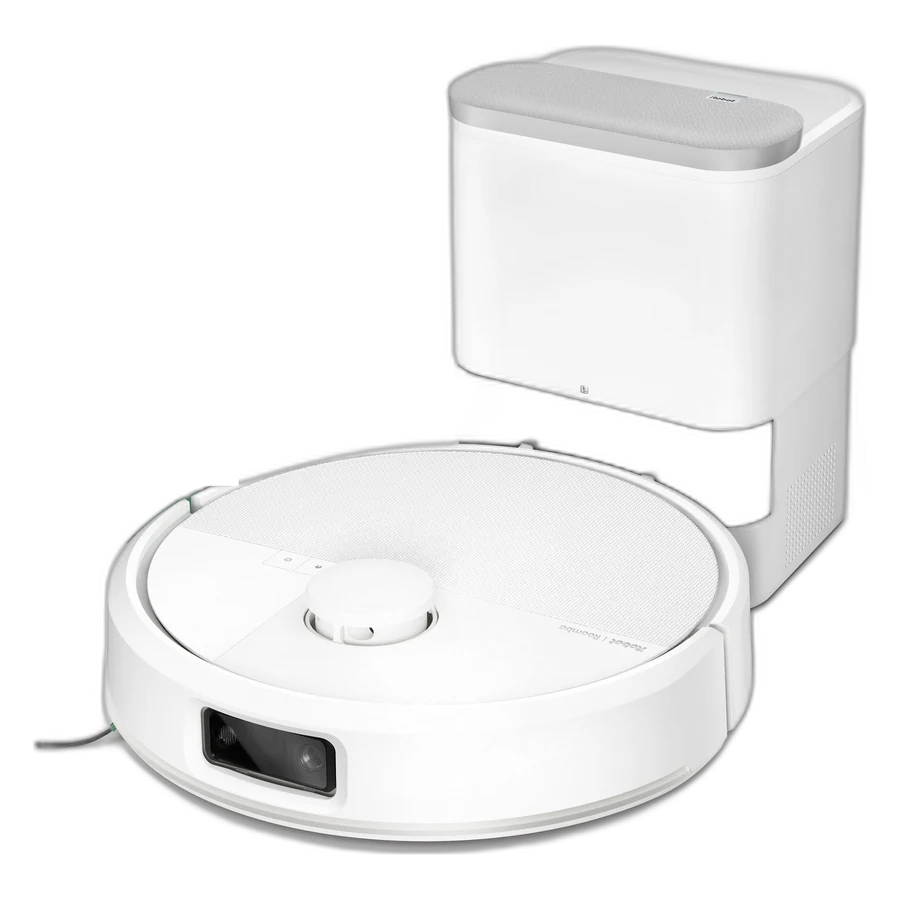
| iRobot Roomba Max 705 Vac | around £279 (UK) | PrecisionVision AI camera | Yes | Pet homes, vacuum only |
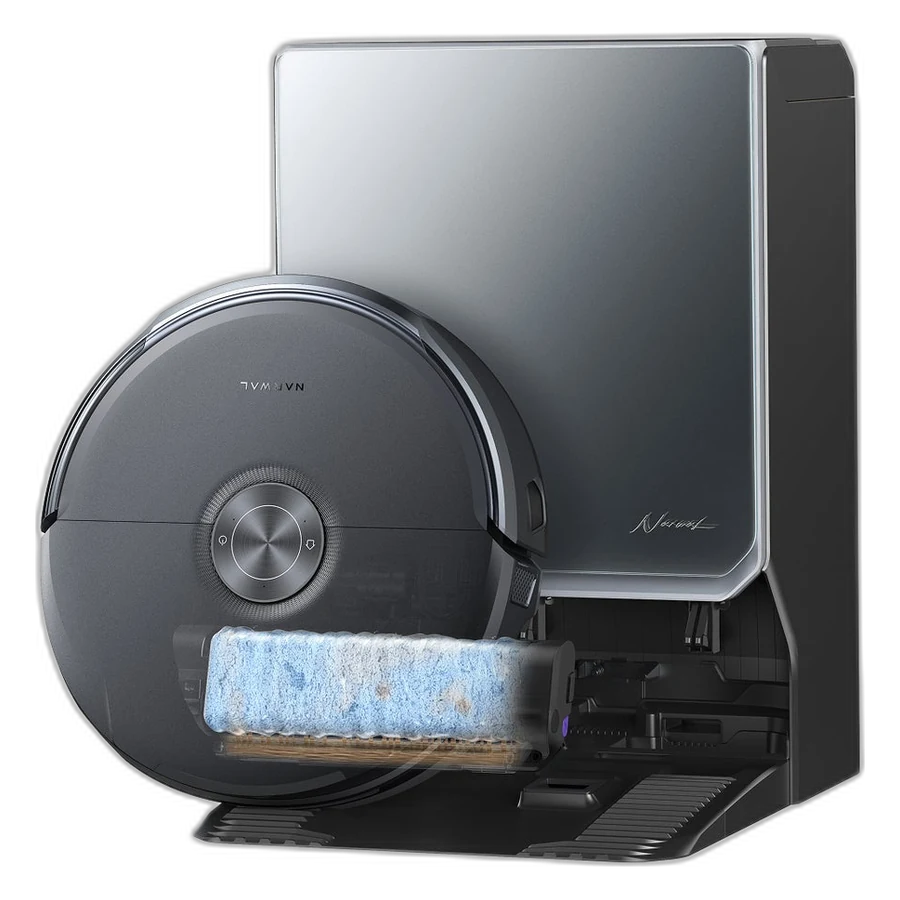
| Narwal Flow 2 | list $1,499 | Two 1080p cameras | Yes (two) | Premium mopping |
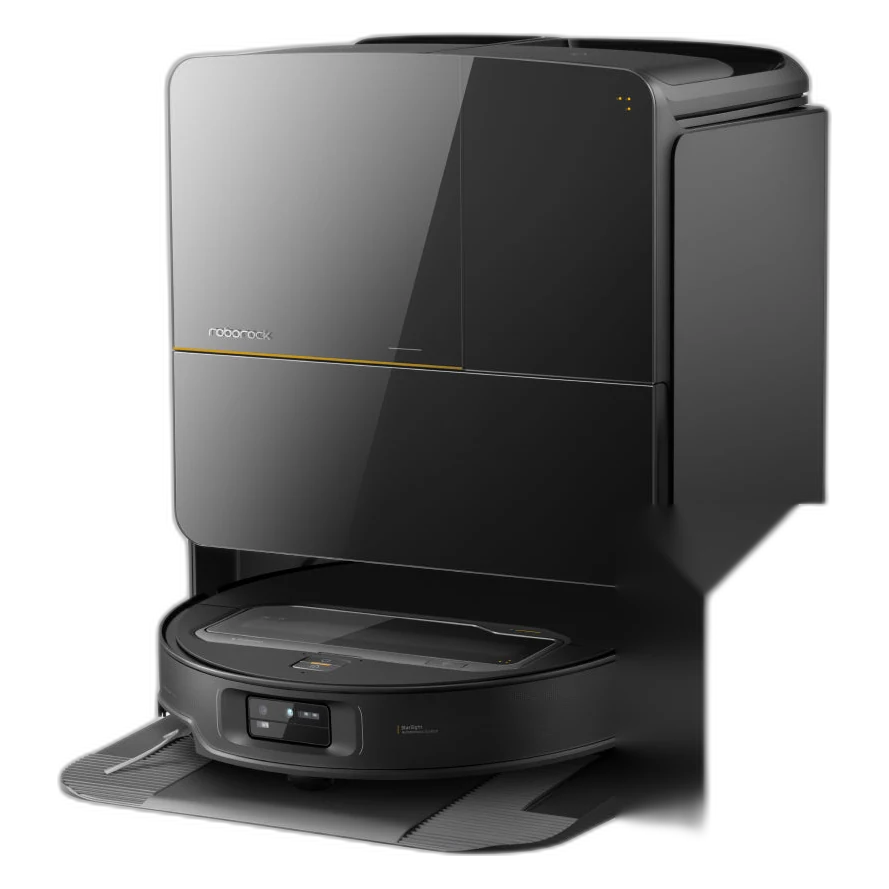
| Roborock Saros Z70 | list $2,599 | Camera plus robotic arm | Yes | Early adopters |
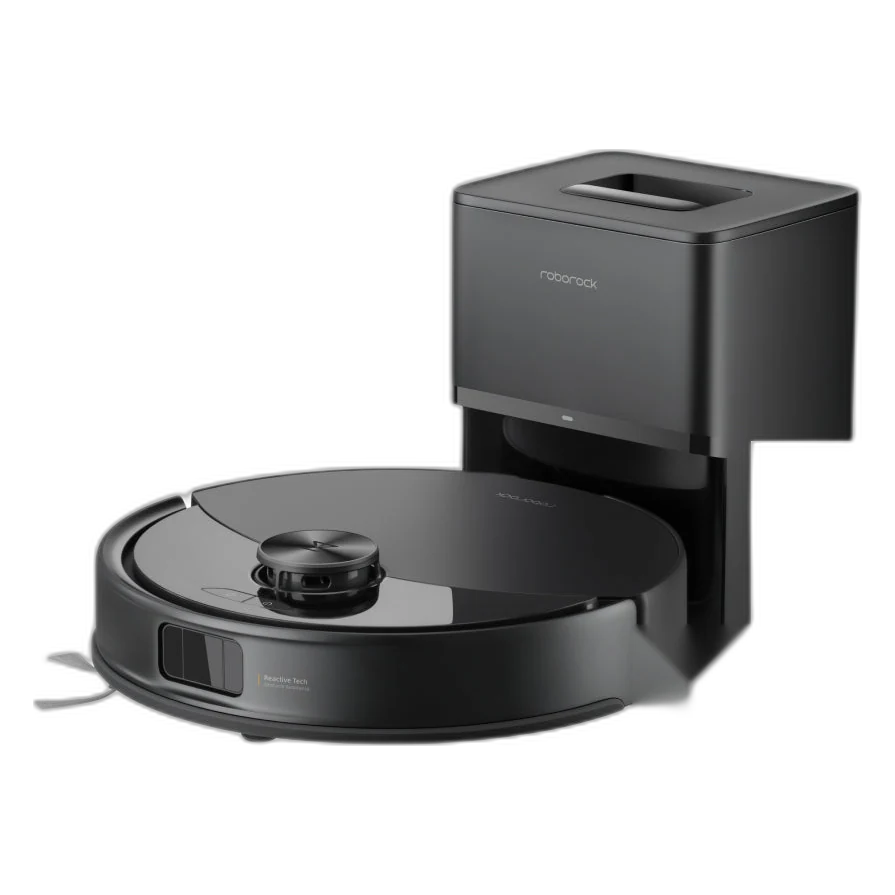
| Roborock Q10 S5+ | around $280 | Sensor-based, no camera | No | Budget, tidy homes |
In depth: every pick
Best overall
1. Roborock Saros 10R
Best for: Busy homes with cables, toys and low furniture
- Price
- around $900 (Oct 2026, Roborock US store; list price $1,599.99)
- Navigation
- StarSight 2.0 (solid-state LiDAR and 3D ToF sensor)
- Obstacle avoidance
- 3D ToF, RGB camera and VertiBeam side sensing
- Height
- About 3.14 in (manufacturer)
- Thresholds
- Up to 4 cm (manufacturer)
- Self-emptying
- Yes
Pros
- RTINGS called it the best robot vacuum it has tested (Aug 2026)
- No raised laser tower, so it fits under more furniture
- Dock washes mops at 80°C and empties dust
Cons
- Expensive at full list price
- Lots of settings to learn in the app
Verdict: RTINGS, an independent lab that runs standard obstacle tests, says the Saros 10R's multiple solid-state LiDAR sensors and object recognition give great obstacle avoidance without a tall profile. At its October 2026 price it is the strongest all-round choice for cluttered homes.
Best value camera avoidance
2. Roborock Qrevo Curv
Best for: Mid-range budgets that still want a camera
- Price
- around $850 (Oct 2026, Roborock US store; list price $1,599.99)
- Obstacle avoidance
- Structured light plus RGB camera, 62 object types (manufacturer)
- Smallest object avoided
- 5 cm wide, 3 cm tall (manufacturer testing)
- Suction
- 18,500 Pa (manufacturer)
- Self-emptying
- Yes, up to 7 weeks (manufacturer)
Pros
- Camera recognises 62 types of object, per Roborock
- Full dock that empties, washes and dries
- Climbs thresholds up to 3 cm, 4 cm double
Cons
- Roborock's smallest-object figure means thin cables may still be missed
- Uses a raised laser tower, so it is taller than the Saros 10R
Verdict: The Qrevo Curv pairs a structured light sensor (it projects a pattern of light to judge shape and distance) with a camera that identifies objects. Roborock says it avoids items as small as 5 cm wide and 3 cm tall. For most homes that is enough, at a lower price than the Saros.
Most object types recognised (claimed)
3. Dreame X60 Max Ultra Complete
Best for: Large homes that want flagship avoidance and the most features
- Price
- around $1,700 (Oct 2026, Dreame US store)
- Obstacle avoidance
- Two AI cameras plus LED light, 280+ object types (manufacturer)
- Navigation
- VersaLift DToF laser navigation
- Step climbing
- Up to 8.8 cm double steps, 4.5 cm single (manufacturer)
- Suction
- 35,000 Pa (manufacturer)
Pros
- Binocular cameras judge depth like a pair of eyes
- LED light helps in dark rooms and under furniture
- Climbs taller steps than most robots
Cons
- Very expensive
- Object counts are the maker's own claim
Verdict: Dreame says the X60's two cameras recognise more than 280 object types, the highest count among the robots here. Two cameras give depth perception, and a built-in light helps in dim corners. It is a premium choice, so make sure you will use the extras.
Best for pet owners (vacuum only)
4. iRobot Roomba Max 705 Vac + AutoEmpty Dock
Best for: Homes with pets that only need vacuuming
- Price
- around £279 in the UK (Oct 2026, iRobot UK, was £699); US launch price $899.99
- Obstacle avoidance
- PrecisionVision AI (cords, socks, pet waste)
- Navigation
- ClearView Pro LiDAR
- Self-emptying
- Yes, up to 75 days (manufacturer)
- Mopping
- No
Pros
- Avoidance explicitly targets pet waste, cords and socks
- Strong independent results: Consumer Reports rated it highly in July 2026
- Long dock capacity
Cons
- No mopping
- iRobot is now owned by Picea after restructuring, so watch support news
Verdict: iRobot has focused its camera system on the messes people fear most, including pet waste. Combined with LiDAR mapping and a 75-day dock, the Max 705 Vac is a sensible pick for pet homes that do not need a mop. UK pricing in October 2026 makes it especially good value there.
Strong dual-camera alternative
5. Narwal Flow 2
Best for: Premium buyers who prioritise mopping as well as avoidance
- Price
- list $1,499; seen at $1,049 (9to5Google, Jun 2026)
- Obstacle avoidance
- Two 1080p cameras with AI, 136° field of view (per CES 2026 coverage)
- Suction
- 31,000 Pa (manufacturer)
- Mopping
- Rotating track mop
- Height
- 3.7 in (per 9to5Google)
Pros
- 9to5Google said it never sucked up socks during its review
- Sends a photo and map location of avoided objects to the app, per Narwal
- Strong mopping system
Cons
- Tall, so it misses some low furniture
- Tom's Guide found its performance underwhelming for the price
Verdict: Narwal's dual cameras keep around 5 cm away from detected objects and report what they avoided in the app, according to launch coverage. Reviewers praised the avoidance, but opinions on overall value differ, so compare prices before buying.
Most ambitious (robotic arm)
6. Roborock Saros Z70
Best for: Early adopters and people who find bending down difficult
- Price
- list $2,599 / £1,799; seen around $1,000 at US retailers (TechRadar)
- Special feature
- OmniGrip arm lifts items up to 300 g (manufacturer)
- Navigation
- StarSight (no raised laser tower)
- Thresholds
- Up to 4 cm (per TechRadar)
- Self-emptying
- Yes
Pros
- Can pick up socks, light sandals, tissues and small towels
- Excellent navigation and cleaning, per TechRadar
- Arm can be controlled remotely from the app
Cons
- TechRadar found automatic pick-up unreliable
- Very high list price
Verdict: Instead of only avoiding clutter, the Z70 can move some of it. TechRadar found the cleaning excellent but the arm's automatic mode not yet dependable, with misidentified items in dim light. Buy it for the novelty or for accessibility needs, not as the safest choice.
Best budget
7. Roborock Q10 S5+
Best for: Tidy homes on a tight budget
- Price
- around $280 (Oct 2026, Roborock US store; list price $549.99)
- Obstacle avoidance
- Reactive Tech (sensor-based, no camera)
- Navigation
- PreciSense LiDAR
- Suction
- 10,000 Pa (manufacturer)
- Self-emptying
- Yes, up to 7 weeks (manufacturer)
Pros
- Very low price with LiDAR and a dock
- Suggests no-go zones under chairs and tables
- Remembers 4 floor maps
Cons
- No camera, so it cannot identify cables or pet mess
- Needs a tidier floor than the camera models
Verdict: If your floors are usually clear, you may not need camera avoidance. The Q10 S5+ handles furniture well with LiDAR and basic sensors, and its app helps you fence off problem areas. Pet owners should spend more on a camera model.
How we chose
We have not tested these robots. Our editorial team built this list from:
- Independent results: RTINGS (which runs a standard obstacle avoidance test), Consumer Reports, Vacuum Wars, TechRadar, Tom's Guide and 9to5Google.
- Manufacturer specs: the sensors each robot uses, how many object types it claims to recognise and the smallest object it can avoid. We label these as claims.
- Owner review patterns, especially reports of cables eaten, socks dragged or pet accidents.
- October 2026 prices from brand stores and big retailers.
How robot vacuum obstacle avoidance works
There are three main approaches, often combined:
- Bump and infrared sensors. The cheapest robots feel their way around by touching things. They avoid walls and furniture, but not cables or socks.
- Structured light or 3D ToF. The robot projects light and measures how it returns (ToF means 'time of flight') to judge the shape and distance of objects. Good at spotting that something is there.
- Cameras with AI. A camera, sometimes two, takes pictures and software identifies what the object is: a cable, a shoe, pet mess. This lets the robot give risky items a wider berth. Some models add a small light for dark rooms.
LiDAR (a spinning or solid-state laser that maps your rooms) is mainly for navigation. It helps with furniture but is not designed to see small items on the floor.
What to look for in a robot vacuum with obstacle avoidance
- A camera if you have pets or children. Only camera-based systems can tell pet mess from a shoe.
- Smallest object size. Some makers publish this. Roborock, for example, says the Qrevo Curv avoids objects down to 5 cm wide and 3 cm tall. Thin cables can be smaller than this.
- Low-light performance. Look for a built-in light if your robot runs at night or under dark sofas.
- App feedback. Some apps show photos of what the robot avoided, so you can tidy it up.
- Privacy settings. Camera robots can send images to the cloud. Check what the app stores and switch off photo uploads if you prefer.
No system is perfect
Vacuum Wars, which scores obstacle avoidance on a 24-point course, reported in August 2026 that the average robot scored about 16 and only two models scored perfectly. Its advice, which matches owner reviews, is that avoidance is a safety net rather than a reason to stop tidying. A quick sweep of cables and socks before a run still gives the best results.
If you have stairs or several floors, cliff sensors (downward sensors that stop the robot falling) are standard on all the models here. See our robot vacuum for stairs guide.
How much does an obstacle avoidance robot cost?
In October 2026, camera-based avoidance started at mid-range prices. The Roomba Max 705 Vac was £279 in the UK and the Roborock Qrevo Curv about $850 in the US, both well below launch prices. Robots without cameras, like the Roborock Q10 S5+, sold for around $280. Flagships with two cameras, such as the Dreame X60 Max Ultra Complete, cost around $1,700. Prices change often, so read our when to buy guide before you commit.
Which should you buy?
- Best all-rounder: Roborock Saros 10R.
- Camera on a mid-range budget: Roborock Qrevo Curv.
- Pet owners who only want vacuuming: iRobot Roomba Max 705 Vac.
- Maximum features: Dreame X60 Max Ultra Complete.
- Tidy home, tight budget: Roborock Q10 S5+.
For pet-specific advice, see our best robot vacuum for pet hair page.
Frequently asked questions
Which robot vacuum has the best obstacle avoidance?
Among current models, RTINGS called the Roborock Saros 10R the best robot vacuum it has tested in August 2026, citing great obstacle avoidance. Camera-based models from Dreame, Roborock, iRobot and Narwal also perform well in independent reviews.
Do robot vacuums avoid dog poop?
Camera-based models are designed to. iRobot says the Roomba Max 705 Vac's PrecisionVision AI recognises pet waste, for example. No system is guaranteed, so keep an eye on the floor if your pet has accidents.
How much does an obstacle avoidance robot cost?
Camera avoidance appeared from mid-range prices in October 2026, for example about £279 for the Roomba Max 705 Vac in the UK and about $850 for the Roborock Qrevo Curv in the US. Basic sensor-only robots cost less.
Which robot vacuum can climb over a threshold?
Most current models handle thresholds of about 2 to 4 cm. Roborock quotes up to 4 cm for the Saros 10R, and Dreame says the X60 Max Ultra Complete climbs double steps up to 8.8 cm.
Is LiDAR the same as obstacle avoidance?
No. LiDAR is a laser that maps rooms and furniture for navigation. Obstacle avoidance uses extra sensors or cameras near floor level to spot small items such as cables and socks.
Do vacuum robots work in cluttered homes?
They work better with good avoidance, but owner reviews and Vacuum Wars data agree that a quick tidy before each run still makes a big difference.
ET
Written by our editorial team. We compare robots using manufacturer specifications, independent lab results and owner reviews, and we update guides when prices or models change. We do not accept payment for placement.
Our research method.
Related guides
Best Robot VacuumThe best robot vacuum for most homes in 2026, plus picks for carpet, mopping, pets and tight budgets. Based on lab data,Best Robot Vacuum for Pet HairThe best robot vacuum for pet hair in 2026, from tangle-free rollers to self-emptying docks. Based on lab pet hair scoreBest Robot Vacuum and Mop CombosThe best robot vacuum and mop combos of 2026, from roller mops to hot-water docks. Based on lab data, specs and owner reRoborock Review 2026Roborock review for 2026: Saros, Qrevo and Q series explained, which model to buy, app and privacy, warranty, the FCC ruDreame Robot Vacuum Review 2026Dreame robot vacuum review: X60, L60, Aqua10 and D30 models compared with prices, who they suit, app and privacy, 3-yearRobot Vacuum for Stairs and Multi-Storey HomesCan a robot vacuum do stairs? The honest 2026 answer, the stair-climbing robots announced, and the best robot vacuums fo Sources
- The 4 Best Robot Vacuums of 2026 (RTINGS)
- Our robot vacuum tests: obstacle avoidance (RTINGS)
- Are robot vacuums worth it? What we learned after testing 200 models (Vacuum Wars, Aug 2026)
- Roborock Saros 10R product page (Roborock US)
- Roborock Qrevo Curv product page (Roborock US)
- Roborock Q10 S5+ product page (Roborock US)
- Dreame X60 Max Ultra Complete product page (Dreame US)
- Roomba Max 705 Vac + AutoEmpty Dock (iRobot US)
- Roomba Max 705 Vac + AutoEmpty Dock (iRobot UK)
- Narwal launches Flow 2 at CES 2026 (ChannelNews)
- Narwal Flow 2 review (9to5Google)
- Roborock Saros Z70 review (TechRadar)
- Consumer Reports quietest vacuums, summarised (Quartz)