Care · Updated 15 October 2026

Best Robot Pet for Elderly People and Dementia Care in 2026

The short answerThe best robot pet for elderly people at home is the Joy for All Companion Pet Cat: it is affordable, needs no app or Wi-Fi, and responds to stroking with a purr. Care homes with a bigger budget should look at PARO, the most researched robotic pet in dementia care.

Our picks

Best robot dog for seniorsBuy now
Ageless Innovation

Joy for All Companion Pet Pup

  • Responds to: Touch, sound and motion (per Alzheimer's Society product…
  • Setup: No app or Wi-Fi needed
  • Type: Plush companion (toy category)

$179.99

Best for care homes and hospitalsGet a quote
PARO Robots (developed by Japan's AIST)

PARO Therapeutic Robot

  • Form: Baby harp seal
  • Sensors: Touch, light, sound, temperature, posture
  • Learning: Responds to its name and to how it is handled

around $6,100

Best rechargeable AI petBuy now
Casio

Casio Moflin

  • Battery: Up to 5 hours of typical use; about 3.5 hours to charge
  • Weight: About 260 g
  • Interaction: Responds to touch and voice, develops a personality over…

$429

Best budget rechargeable catBuy now
Chongker

Percy Interactive Robot Cat

  • Responds to: Touch on head, neck, back and tail; simple voice commands
  • Battery: 2,000 mAh, about 8 hours of use, USB-C charging in about…
  • Extras: Simulated heartbeat vibration

$99 on sale, $139 list

Most interactive robot catBuy now
Elephant Robotics

metaCat

  • Interaction: Touch sensors under the fur; over 20 voice commands
  • Charging: USB-C; Elephant Robotics says 45 minutes gives up to 10…
  • Extras: Animated LED eyes, moving head and tail

$159

Robotic pets are soft, animal-shaped robots that purr, bark, move and respond to touch. For older adults who can no longer look after a real animal, or for people living with dementia, they can offer something to stroke, talk to and care for, without feeding, walks or vet bills.

This guide compares six robot pets you can buy in October 2026, from simple battery-powered cats to the clinical PARO seal. For talking assistants such as ElliQ, see our companion robot guide. For the bigger picture, start with our robots for elderly care hub.

Robot pets for elderly people compared
ModelPrice (Oct 2026)PowerResearch baseBest for
Joy for All Cat$159.99 / around £1274 x C batteriesOwner review analysisHome use, dementia
Joy for All Pup$179.99Not app or Wi-Fi basedProgramme use, owner feedbackFormer dog owners
PAROaround $6,100Rechargeable, about 1.5 hoursMultiple trials and reviewsCare homes
Casio Moflin$429Rechargeable, up to 5 hoursLimitedQuiet companionship
Percy (Chongker)$99 to $139Rechargeable, about 8 hoursNone publishedBudget rechargeable
metaCat$159Rechargeable, up to 10 hours (maker)None publishedInteractive play

In depth: every pick

Joy for All Companion Pet Cat
Best overall for home use

1. Joy for All Companion Pet Cat

Best for: People living with dementia or loneliness who loved cats

Price
$159.99 (Oct 2026, Joy for All store) / around £127 (Oct 2026, RobotShop UK)
Responds to
Petting and hugging
Sounds
Purrs (with vibration) and meows
Power
4 x C alkaline batteries (included)
Size and weight
About 15 x 9 x 10 in, 3.9 lb

Pros

  • No app, Wi-Fi or charging to manage
  • Purr can be felt as well as heard
  • Large body of owner feedback, mostly positive

Cons

  • Disposable batteries
  • Fur cannot be washed under running water

Verdict: This is the robot pet most families and US ageing programmes start with. A published analysis of 1,327 owner reviews found three in four described a positive effect on the user, while a small number noted distress when the cat seemed unwell or stopped working. Keep spare batteries handy.

Joy for All Companion Pet Pup
Best robot dog for seniors

2. Joy for All Companion Pet Pup

Best for: Former dog owners who would enjoy a pup on their lap

Price
$179.99 (Oct 2026, Joy for All store)
Responds to
Touch, sound and motion (per Alzheimer's Society trial notes)
Setup
No app or Wi-Fi needed

Pros

  • Same simple, no-setup approach as the cat
  • Familiar for people who grew up with dogs

Cons

  • Costs $20 more than the cat
  • Barking may be less soothing than purring for some people

Verdict: Choose the pup over the cat if the person has strong memories of dogs. In an Alzheimer's Society group trial, people living with dementia had mixed views on realism, which is a reminder that personal preference matters more than specs.

PARO Therapeutic Robot
Best for care homes and hospitals

3. PARO Therapeutic Robot

Best for: Memory care units and care homes running supervised sessions

Price
around $6,100 (Oct 2026, US retailer listing)
Form
Baby harp seal
Sensors
Touch, light, sound, temperature and posture
Behaviour
Learns its name and preferred handling
Battery
About 1.5 hours per charge (retailer figure)
Weight
About 2.5 kg (retailer figure)

Pros

  • The most studied robot pet in dementia care
  • A meta-analysis found a small, significant reduction in agitation
  • Antibacterial fur, according to retailer listings

Cons

  • Costs many times more than consumer robot pets
  • Short battery life between charges

Verdict: PARO is built for professional care rather than the living room. If you run a care home and want the option with the strongest research behind it, this is it, but plan for staff training and a cleaning routine.

Casio Moflin
Best rechargeable AI pet

4. Casio Moflin

Best for: Older adults who want a small, quiet pet that changes with them over time

Price
$429 (Oct 2026, Casio US)
Battery
Up to 5 hours; about 3.5 hours to recharge in its bed
Weight
About 260 g
Learning
Recognises frequent voices and develops a personality
Privacy
Casio says it does not understand or record what you say

Pros

  • No batteries to swap
  • Very light, easy for frail hands
  • Can stay interactive while charging

Cons

  • Most expensive consumer option here
  • Looks like a small furry creature rather than a cat or dog

Verdict: Moflin is a thoughtful design for someone who wants to nurture something small. It is less familiar than a cat or dog, which can be a plus for people who would find a realistic pet confusing.
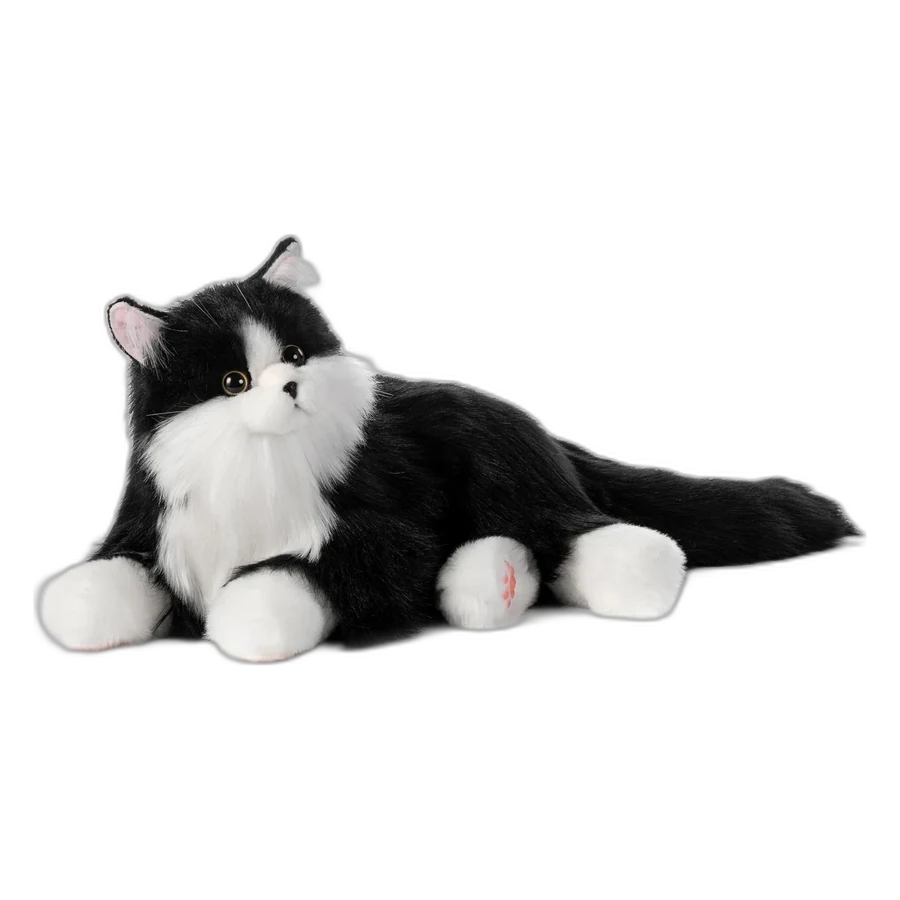
Percy Interactive Robot Cat
Best budget rechargeable cat

5. Percy Interactive Robot Cat

Best for: Families wanting a rechargeable robot cat for under $100

Price
$99 on sale, $139 list (Oct 2026, Chongker store)
Responds to
Touch on head, neck, back and tail; simple voice commands
Battery
2,000 mAh, about 8 hours of use, USB-C charging in about 4 hours
Extras
Simulated heartbeat vibration
Weight
About 1 kg

Pros

  • Rechargeable with long run time
  • Gentle heartbeat effect when held

Cons

  • Some owners mention unwanted meowing and squeaky joints
  • No independent research on this model

Verdict: Percy is a sensible lower-cost choice if you want rechargeable power and a bit more interaction than a basic battery pet. Treat it as a comfort item; the maker cites no clinical studies.

metaCat
Most interactive robot cat

6. metaCat

Best for: People who enjoy giving commands and seeing a reaction

Price
$159 (Oct 2026, Elephant Robotics store)
Interaction
Hidden touch sensors; over 20 voice commands
Charging
USB-C; maker says 45 minutes gives up to 10 hours
Movement
Head, eyes and tail

Pros

  • Rechargeable
  • Expressive animated eyes and tail
  • Marketed with older users in mind

Cons

  • Screen eyes look less lifelike
  • Separate store for buyers in the Americas

Verdict: metaCat suits someone who is still fairly active and will enjoy its tricks. For people in later stages of dementia, a simpler pet with fewer sounds and lights may be calmer.

How we chose

We have not tested these pets ourselves. We compared them using:

  • Manufacturer specifications for power, sensors and size, checked on official stores in October 2026.
  • Published research, especially a 2019 systematic review of robot pets in care homes and a 2022 study of more than 1,300 Joy for All owner reviews.
  • Charity and care-sector feedback, including an Alzheimer's Society group trial where people living with dementia tried several robotic pets.
  • Price and running costs, including batteries and charging.

We left out products that are not yet shipping. Tombot's robotic puppy Jennie had more than 23,000 pre-orders and waitlist sign-ups and a planned autumn 2026 launch when we checked, but no confirmed customer shipments, so it is not in our picks.

Choosing a robot pet for elderly relatives

The right robot pet depends far more on the person than on the spec sheet.

  • Past pets matter. Someone who had cats all their life may respond best to a cat.
  • Simpler is often better in later-stage dementia. Bright lights, many sounds or voice commands can confuse or overstimulate.
  • Think about who maintains it. Battery pets need fresh batteries; rechargeable pets need someone to remember to charge them.
  • Weight and size matter for frail users. Moflin weighs about 260 g, while the Joy for All cat is about 1.8 kg.
  • Hygiene matters in shared settings. Check cleaning advice before buying for a care home.

What the research says about robotic pets

Robotic pets are among the most studied care robots, but the evidence still has gaps.

  • A 2019 systematic review (Abbott and colleagues, 19 studies including 7 randomised trials) found residents and staff described benefits for loneliness, mood and quality of life. Pooled trial data showed a statistically significant reduction in agitation only for PARO; effects on loneliness, depression and quality of life were not statistically significant.
  • A 2022 study in JMIR Aging analysed 1,327 online reviews of the Joy for All cat. About 75% described positive effects and about 1.5% described negative ones, such as distress when the cat seemed to be dead or unwell. The authors note reviews cannot be verified and call for randomised trials.
  • No robot pet in this guide is a treatment for dementia. Any benefit is about comfort and engagement.

Robotic pets can be a lovely source of comfort, but some families and professionals worry they can feel childish. A few practical rules help:

  • Offer the pet, then let the person decide whether to engage.
  • Do not insist the pet is a real animal if asked.
  • Watch for distress, for example if the person thinks the pet is ill when its batteries run down.
  • Use the pet alongside, not instead of, time with people.

Robot pets complement human care and real relationships; they do not replace them.

Are there free robotic pets for seniors?

Sometimes. In the US, several state ageing offices have distributed Joy for All pets free to eligible older adults; a 2024 ABC News report said New York State's Office for the Aging had given away approximately 31,500 animatronic pets. Contact your local Area Agency on Aging to ask. In the UK, the Alzheimer's Society notes robotic pets are not eligible for VAT relief, so expect to pay full price. Some US hospice providers, such as Capital Caring Health, also run robotic companion pet programmes for patients.

Robot cat or robot dog?

Cats are the more common choice in care settings. They sit happily on a lap, and a purr is calming and quiet. A robot dog can be a better match for someone who always had dogs and still talks about them. If you are unsure, think about which animal the person mentions most often, and consider buying from a retailer with an easy returns policy. For walking, playing robot dogs aimed at families and hobbyists, such as the Unitree Go2, see our separate robot dog guide; they are heavier, pricier and not designed for frail users.

Privacy: a plus for robot pets

Most robot pets have no camera and no internet connection, so they collect nothing. The exceptions are app-linked pets such as Moflin, which uses an app for moods and updates; Casio says Moflin turns voice features into non-identifiable data and does not record speech. If privacy is a concern, a simple battery pet such as Joy for All is the safest choice.

Free, no obligation

Get quotes from suppliers

Tell us what you need. We pass your request to up to three relevant suppliers or dealers, who contact you with prices, lease options and demos. Popular for restaurants, hotels, offices, warehouses and care settings.

We only share your details with suppliers for this request. See our privacy policy.

Frequently asked questions

What is the most realistic robotic pet?

Realism is personal. Joy for All pets have soft, realistic fur and a purr you can feel, while PARO uses five types of sensor to react to handling. In an Alzheimer's Society trial, people with dementia disagreed about which looked most lifelike.

What is the best pet for elderly people with dementia?

For home use, a simple robot pet such as the Joy for All cat is a good start because there is nothing to set up. In care homes, PARO has the strongest research behind it.

How much does a robot pet for elderly people cost?

Consumer robot pets cost about $99 to $429 (Oct 2026). PARO costs around $6,100. In the UK, Joy for All cats sell for around £127.

Are robot pets good for dementia?

They can help some people feel calmer and more engaged. A 2019 review found a small but significant drop in agitation with PARO, but no proven effect on depression or loneliness when trial results were pooled.

Can I get a free robotic pet for a senior?

Some US state ageing services give them out free to eligible older adults. Contact your local Area Agency on Aging. Free schemes are less common in the UK.

Is Tombot's Jennie available to buy?

When we checked in October 2026, Tombot had reported a planned autumn 2026 launch and thousands of pre-orders, but we could not confirm customer shipments.

Written by our editorial team. We compare robots using manufacturer specifications, independent lab results and owner reviews, and we update guides when prices or models change. We do not accept payment for placement. Our research method.

Related guides

Sources

  1. Joy for All Companion Pet Cat
  2. Joy for All product list and prices
  3. RobotShop UK: Ageless Innovation Tabby Cat
  4. PARO Therapeutic Robot
  5. Robotomated PARO listing
  6. Casio Moflin product page
  7. Chongker Percy Interactive Robot Cat
  8. Elephant Robotics metaCat
  9. Abbott et al. (2019), robopets in care homes systematic review
  10. Koh et al. (2022), JMIR Aging: low-cost pet robot user experiences
  11. Alzheimer's Society: People with dementia try lifelike pets and robotic companions
  12. The Next Web: Tombot Series A3 and Jennie launch plans
  13. ABC News: How robot pets are helping seniors face loneliness
  14. Capital Caring Health: Robotic Companion Pets